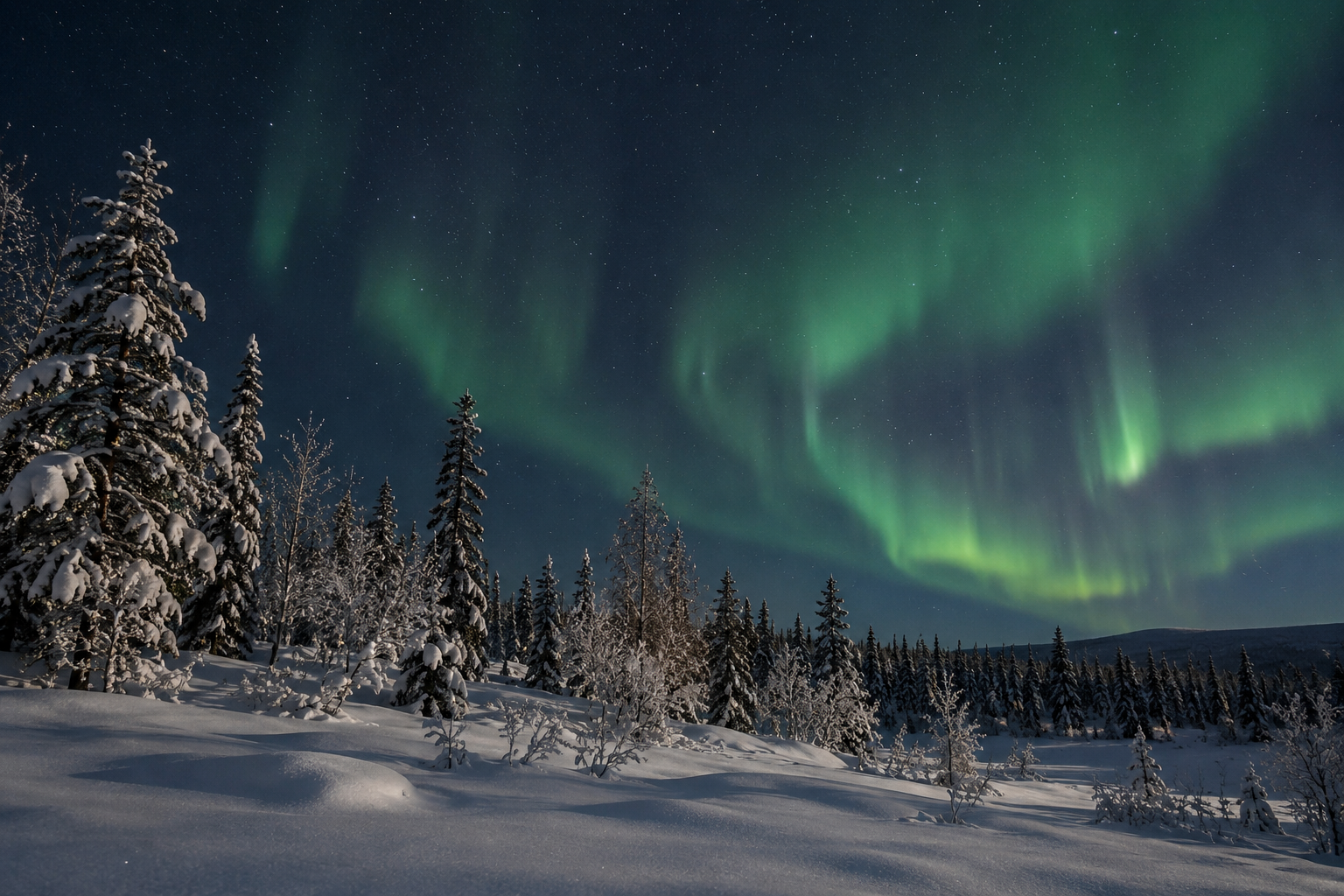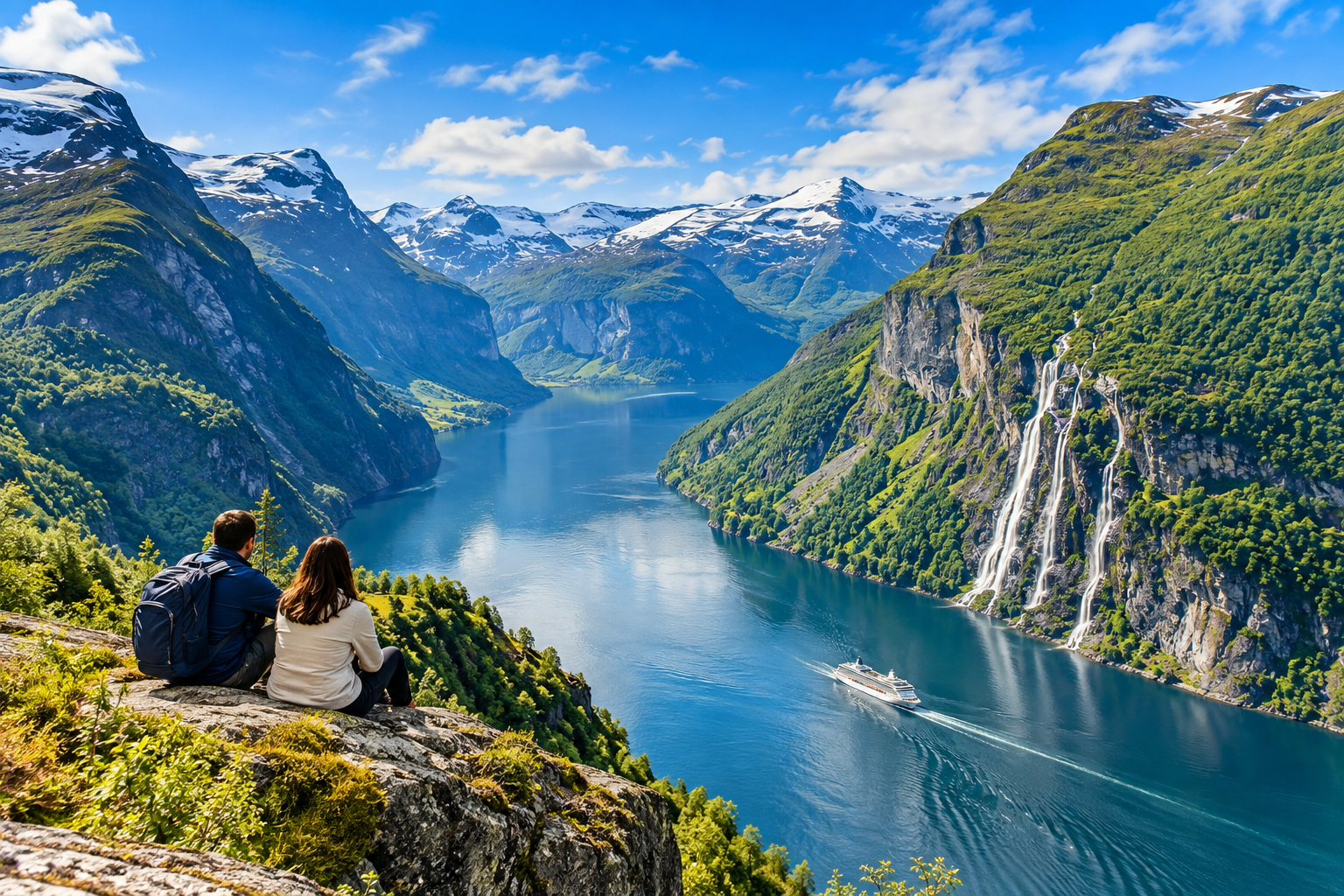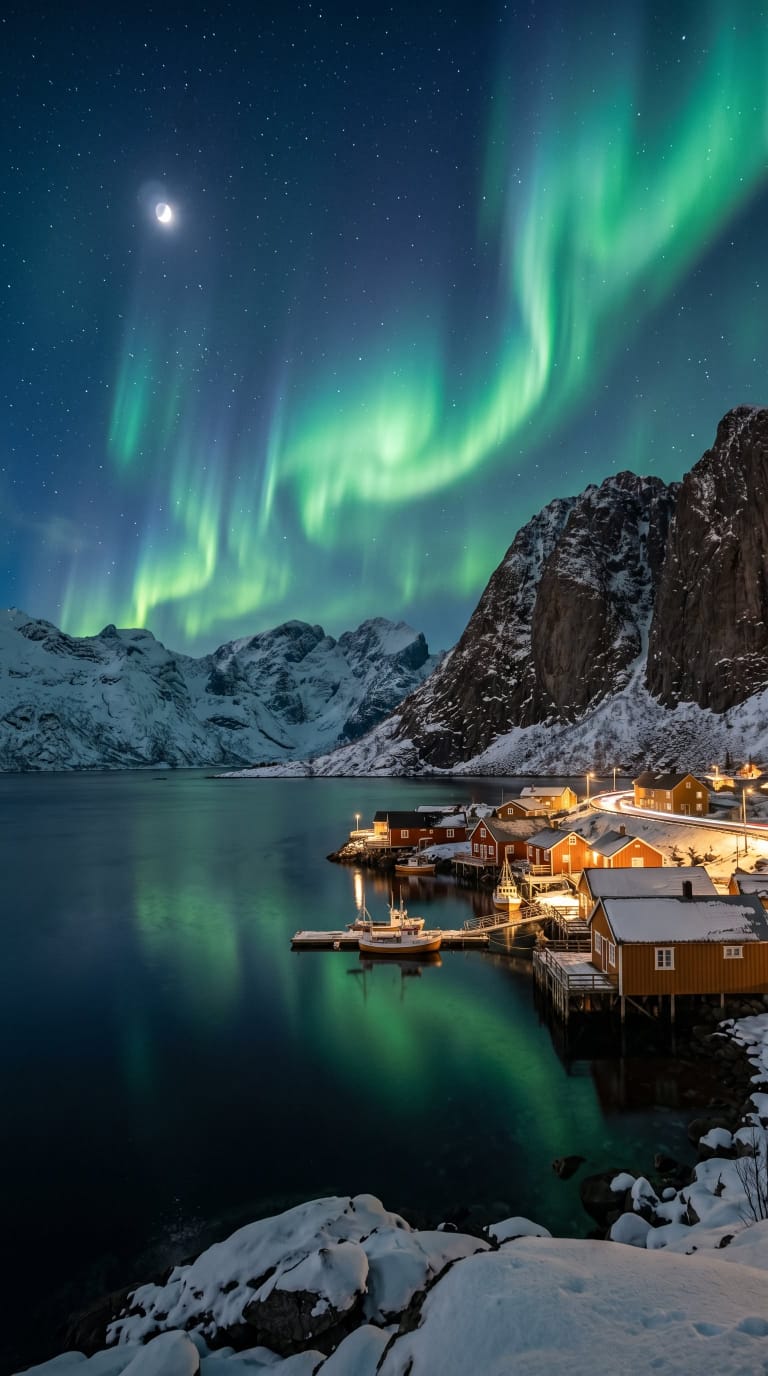
Northern Lights in Norway are one of the most magical natural phenomena in the world. From colourful skies to beautiful Arctic landscapes, Norway offers unforgettable experiences for travellers looking to see the Aurora Borealis.
With the right destination, timing and planning, you can enjoy a memorable Northern Lights holiday in Norway.
Best Places to See the Northern Lights in Norway
Tromsø
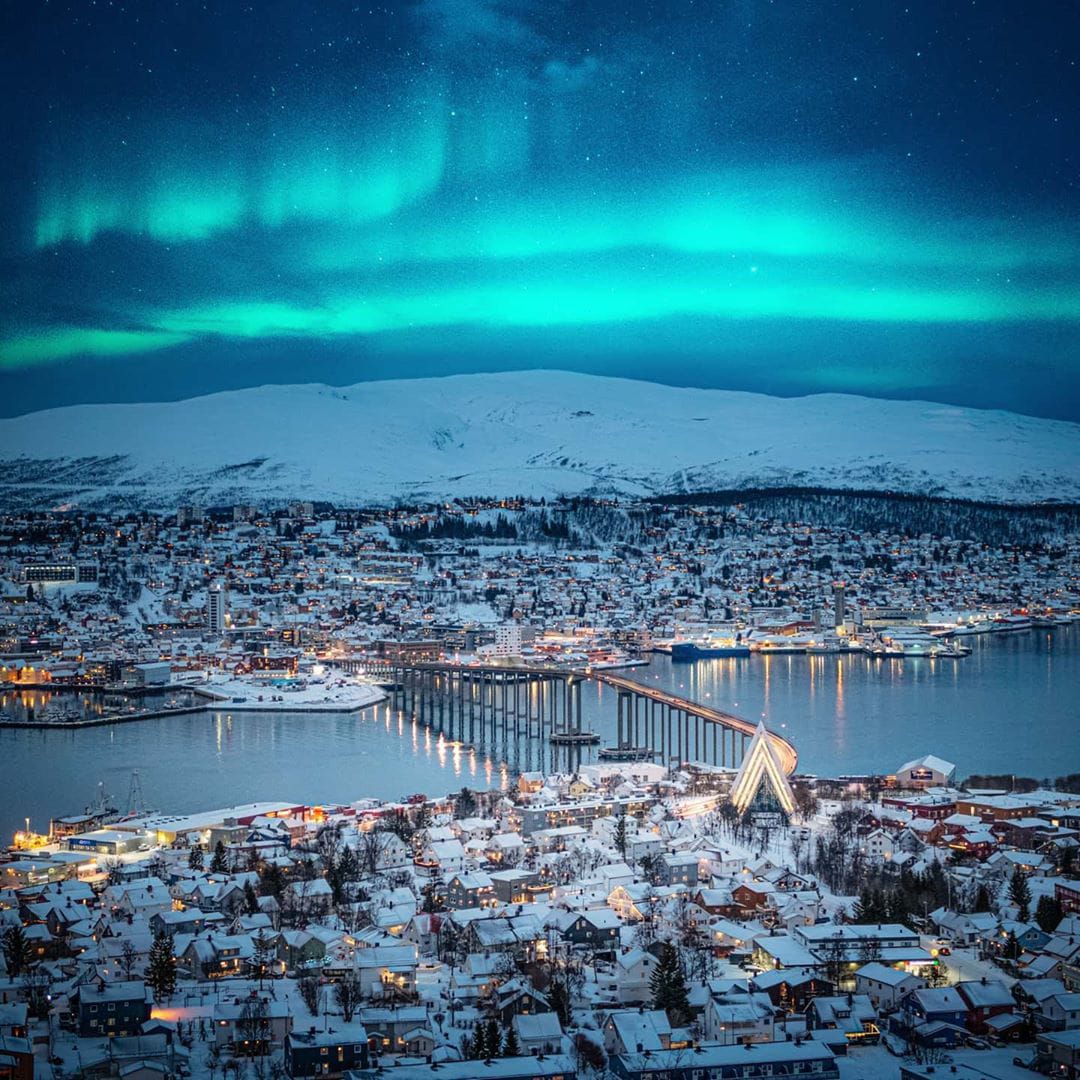
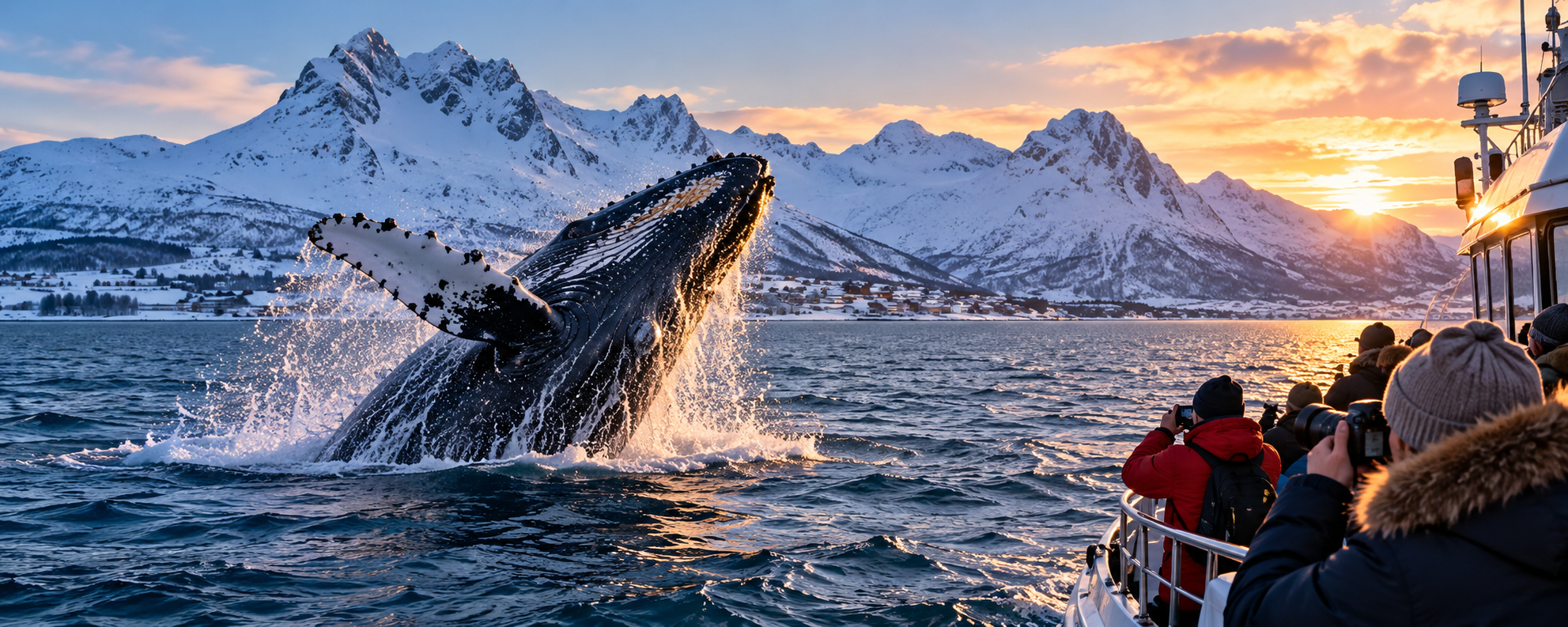
Tromsø is one of the best places to see the Northern Lights in Norway. Located above the Arctic Circle, it offers excellent opportunities to witness the aurora between September and April. You can also enjoy activities such as dog sledding, snowmobiling and Arctic wildlife tours while visiting Tromsø.
Lofoten Islands
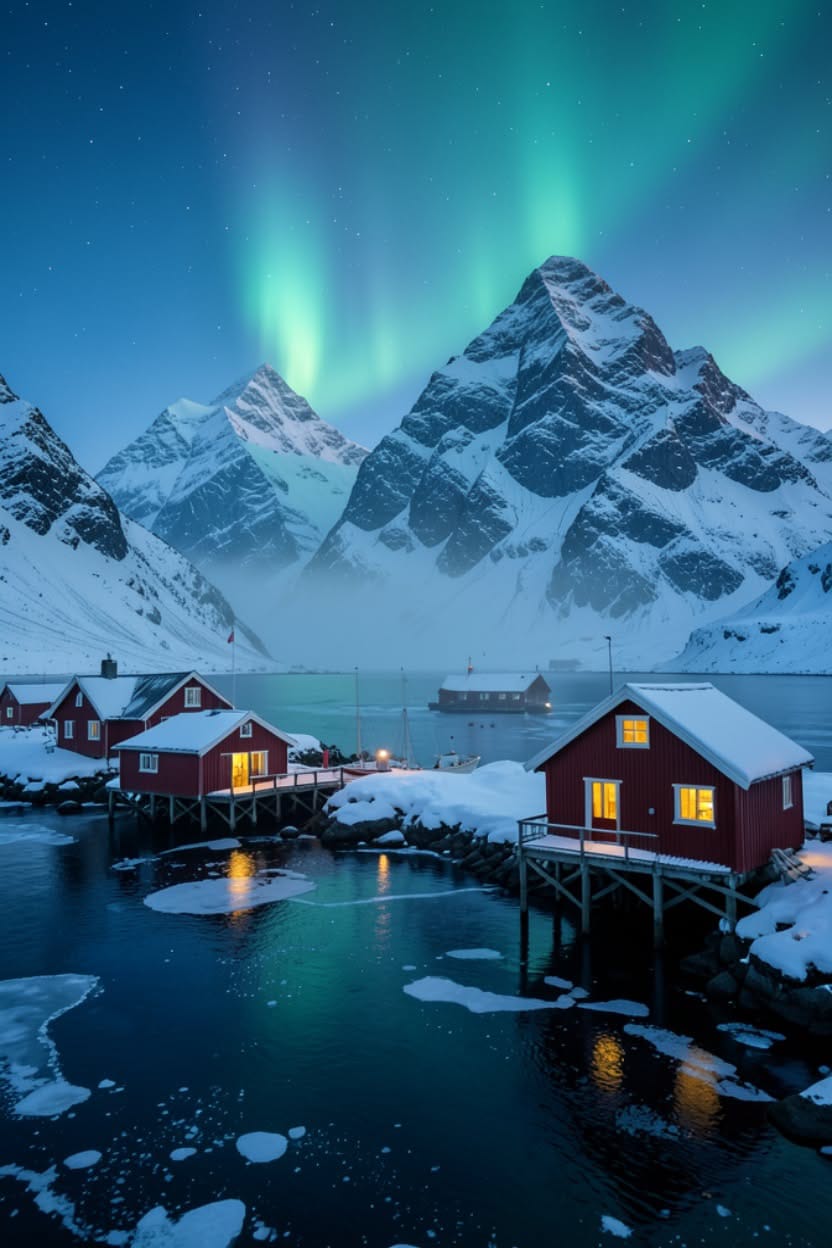
The Lofoten Islands are known for their dramatic mountains, fishing villages, and beautiful Arctic landscapes. During the Northern Lights season, the islands offer stunning views of the aurora dancing across the night sky.
Alta
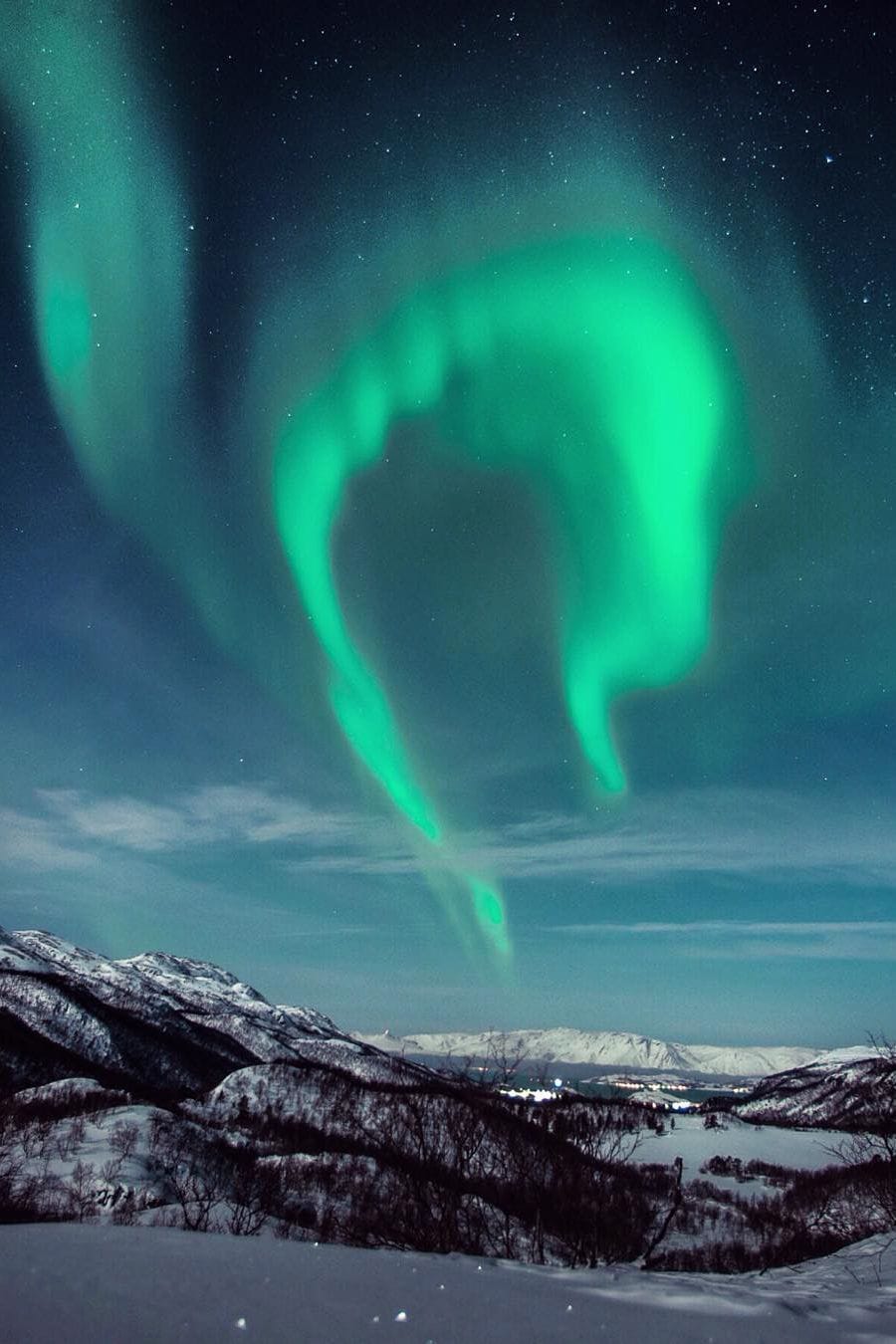
Alta is one of the top destinations in Northern Norway for experiencing the Northern Lights. Its clear skies, low light pollution, and location above the Arctic Circle make it an excellent place to watch the aurora. Visitors can also enjoy winter activities such as dog sledding and snowmobile tours.
Narvik
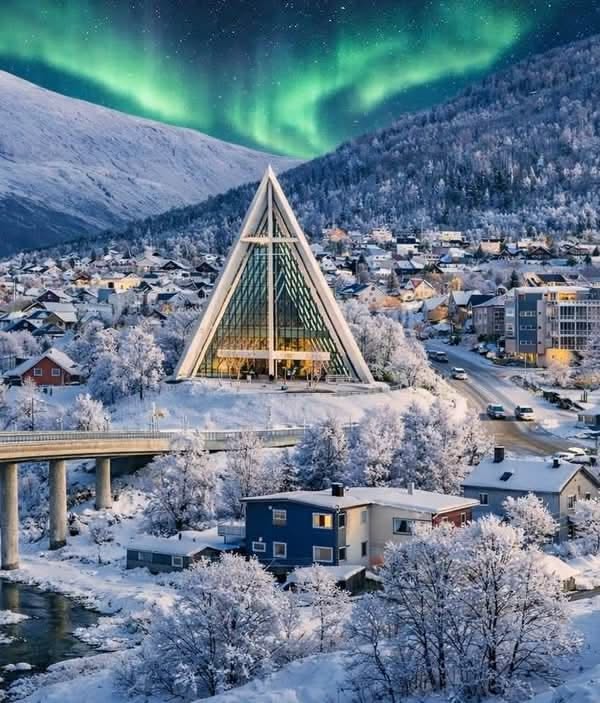
Narvik is a beautiful destination in Northern Norway where you can enjoy spectacular views of the Northern Lights surrounded by mountains and fjords. Its Arctic location and scenic landscapes make it a great choice for an unforgettable aurora experience.
Bergen
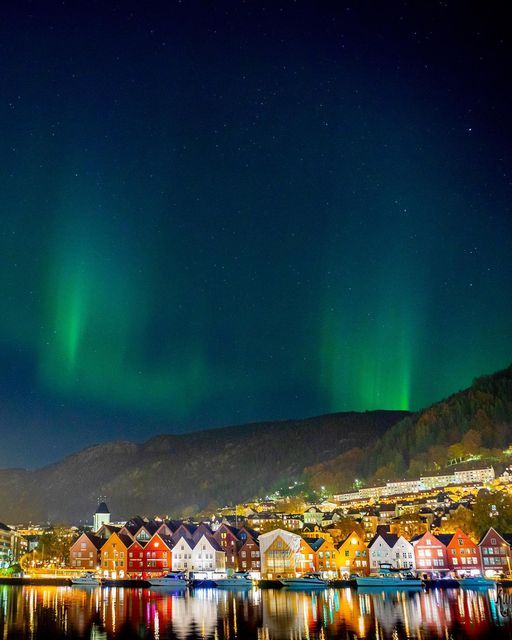
Bergen is a beautiful coastal city in Norway, surrounded by mountains and fjords. While it is not as far north as Tromsø or Alta, you may still have a chance to see the Northern Lights during periods of strong aurora activity and clear skies.
Best Time to See Northern Lights in Norway
The best time to see the Northern Lights in Norway is generally from late September to late March or early April, when the nights are dark enough to view the aurora.
Best months:
- September–October: High aurora activity and fewer crowds
- November–February: Longer, darker nights and a classic winter experience
- March–early April: Good aurora activity with increasing daylight
Statistically, September–October and March–April can have particularly strong aurora activity. Clear, dark skies are essential, and there is never a guarantee of seeing the lights.
What Time Can You See the Northern Lights?
The Northern Lights can appear at different times throughout the night, but they are often visible between 9 PM and 2 AM. The exact timing depends on aurora activity, cloud cover, darkness, and your location.
How to Increase Your Chances of Seeing the Aurora
To improve your chances of seeing the Northern Lights in Norway, choose a location away from city lights and check the weather and aurora forecast before heading out. Stay out for several hours, as aurora activity can change quickly. Clear skies, darkness, and strong solar activity can make the experience even better.
Northern Lights Tours in Norway
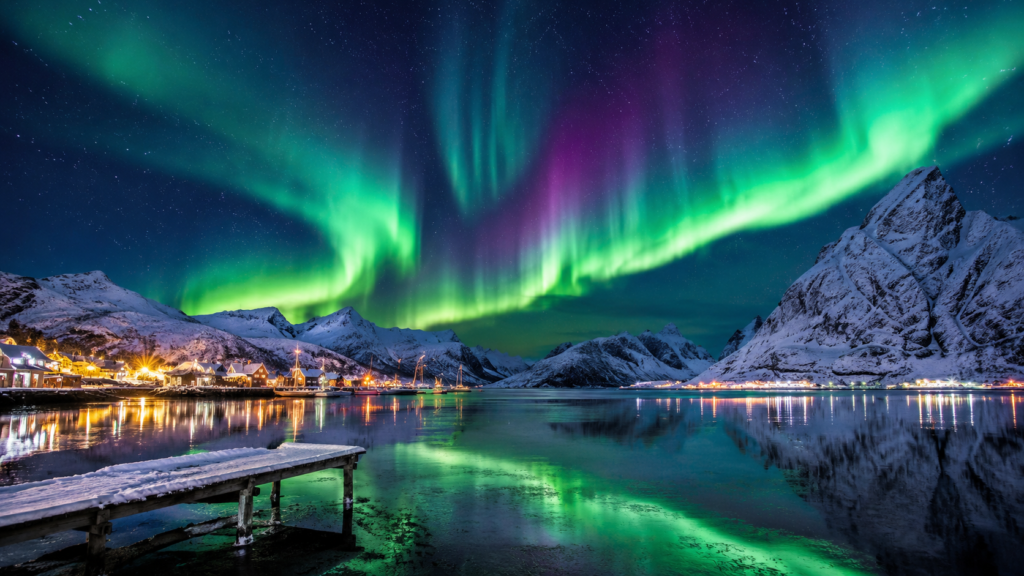
A Northern Lights tour can make your aurora experience easier, especially if you are visiting Norway for the first time. Local guides know the best viewing areas and can take you away from city lights when weather conditions change. Popular options include minibus tours, photography tours, dog-sledding experiences, and evening aurora hunts.
What to Wear for Northern Lights Hunting
Northern Norway can be extremely cold during the aurora season, so dressing in layers is important. Wear a thermal base layer, warm fleece or sweater, insulated winter jacket, waterproof trousers, gloves, a warm hat, and insulated boots. Good clothing will keep you comfortable while waiting outdoors for the Northern Lights.
Northern Lights Photography Tips
Capturing the Northern Lights requires the right camera settings and a steady setup. Use a tripod, a wide-angle lens, and a slow shutter speed. Keep your ISO high enough to capture the aurora without making the image too noisy. For smartphone photography, use Night Mode and keep the phone steady.
How Many Days Do You Need in Norway?
For a Northern Lights trip, 4–7 days is a good starting point. A longer stay gives you more opportunities to find clear skies and strong aurora activity. If you’re visiting multiple destinations such as Tromsø, Lofoten Islands, or Alta, consider 7–10 days for a more relaxed itinerary.
Frequently Asked Questions
1. What is the best month to see the Northern Lights in Norway?
September to March is generally a good period, with long, dark nights providing better viewing opportunities.
2. Where is the best place to see the Northern Lights in Norway?
Tromsø, Lofoten Islands, Alta, Narvik, and Bergen are popular destinations, although northern locations generally offer better opportunities.
3. Can you see the Northern Lights every night?
No. The aurora depends on solar activity, clear skies, and darkness, so sightings cannot be guaranteed.
4. What time do the Northern Lights usually appear?
They can appear at different times, but late evening to early morning is commonly a good period for aurora hunting.
5. How long should I stay in Norway to see the Northern Lights?
A stay of 4–7 days gives you multiple opportunities to look for clear skies and active aurora conditions.
Conclusion
Norway is one of the best destinations for experiencing the Northern Lights, offering spectacular Arctic landscapes and several excellent viewing locations. Planning your trip between September and March, staying for a few nights, and choosing dark locations with clear skies can improve your chances of seeing the aurora.
Whether you choose Tromsø, Lofoten Islands, Alta, Narvik, or Bergen, a Northern Lights trip can be an unforgettable Norwegian adventure.