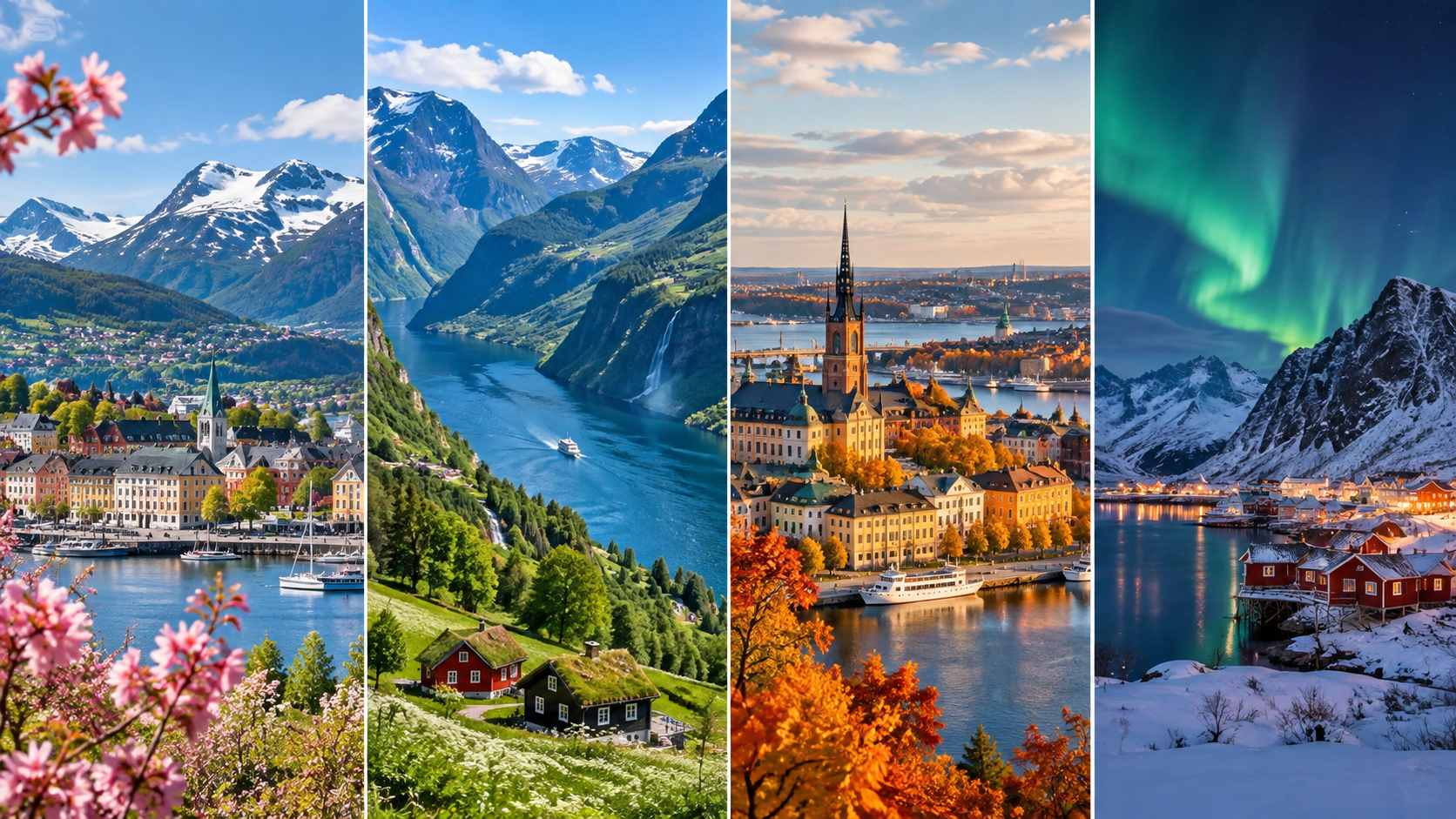
Scandinavia is a beautiful region of Northern Europe known for dramatic fjords, historic cities, scenic coastlines and unique seasonal experiences. The region traditionally consists of Norway, Sweden and Denmark, and each country offers something different throughout the year.
Choosing the best time to visit Scandinavia depends on what you want to experience. Summer brings long daylight hours and pleasant conditions for sightseeing, while winter offers snowy landscapes, festive experiences and opportunities to see the Northern Lights in northern areas.
This guide covers the best seasons and months to visit Norway, Sweden and Denmark, helping you choose the right time for your Scandinavian holiday.
1. Best Time to Visit Scandinavia
The best time to visit Scandinavia largely depends on your travel plans.
For sightseeing, road trips and outdoor activities, May to September is generally a popular period. The days are longer, temperatures are more comfortable and many outdoor attractions are easily accessible.
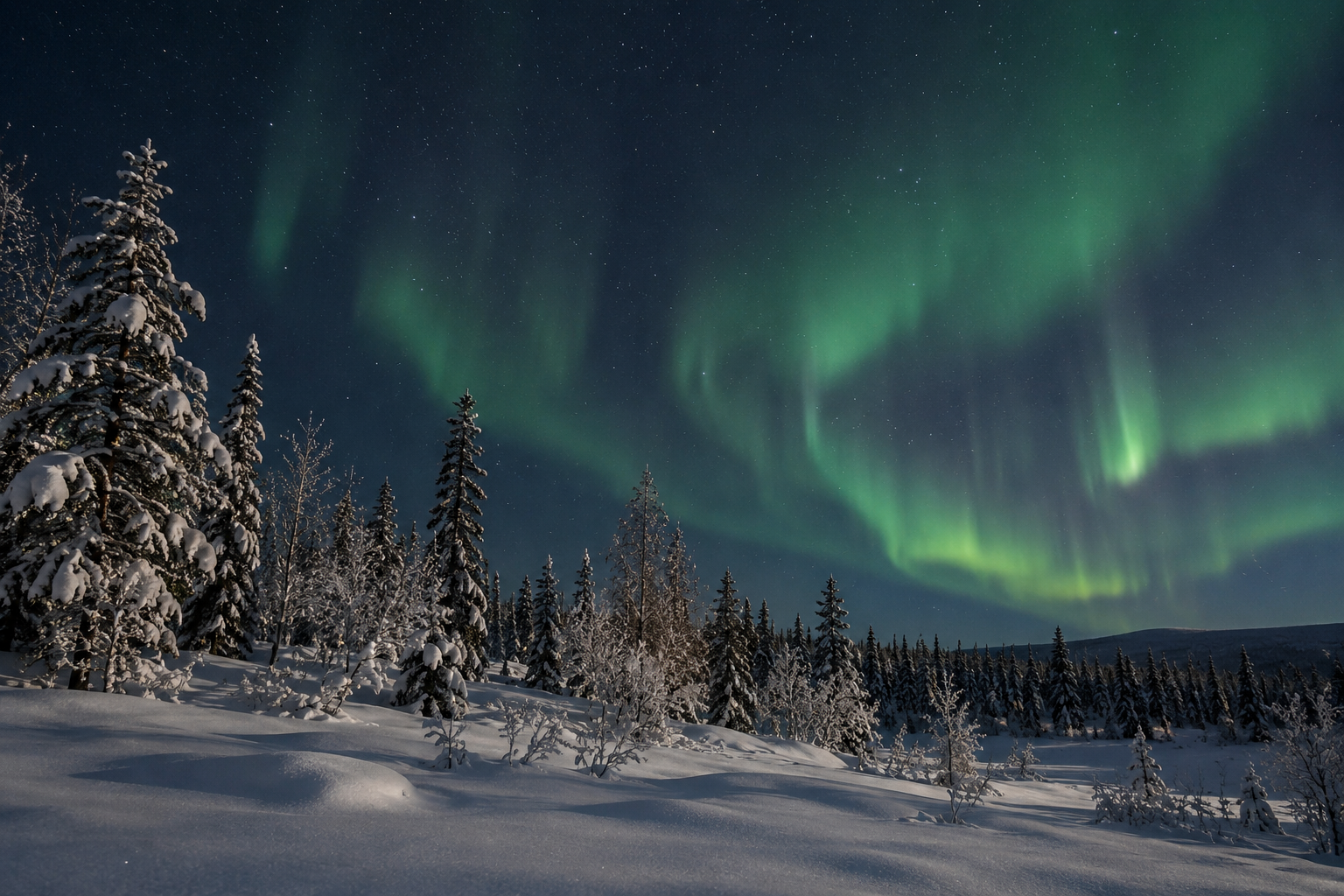
For snow, winter landscapes and Northern Lights opportunities, November to March can be more suitable, particularly in northern Norway and Sweden.
Scandinavia by Season
| Season | Months | Best For |
|---|---|---|
| Spring | March–May | Fewer crowds and fresh landscapes |
| Summer | June–August | Sightseeing and outdoor activities |
| Autumn | September–November | Scenic landscapes and quieter travel |
| Winter | December–February | Snow and winter experiences |
If you’re travelling from India, your choice can also depend on whether you want a traditional European summer holiday or a snowy Scandinavian experience.
2. Best Time to Visit Norway
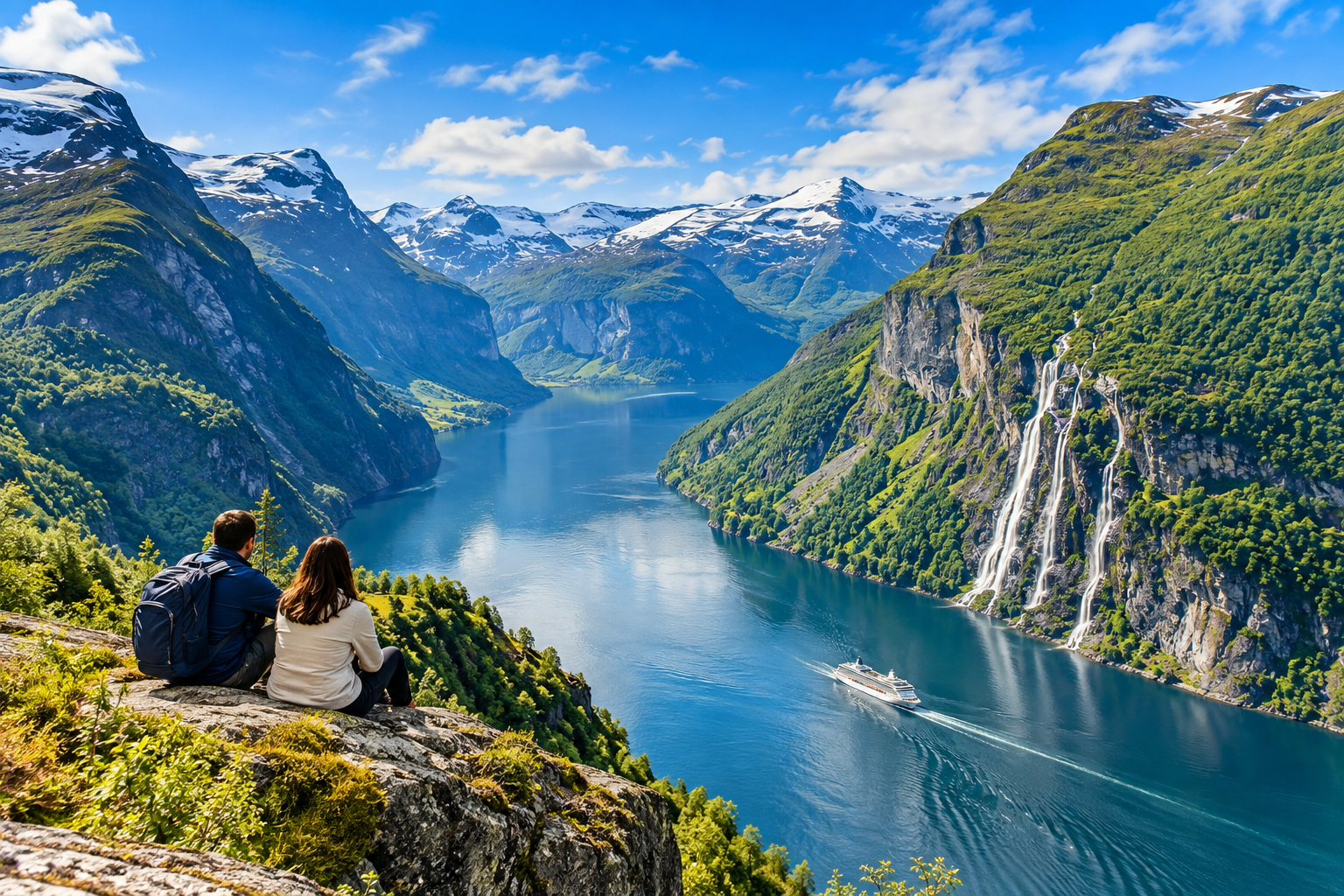
Norway is famous for its fjords, mountains, waterfalls and scenic coastal landscapes. If you are comparing the best time to visit Scandinavia with a Norway-focused itinerary
Summer in Norway
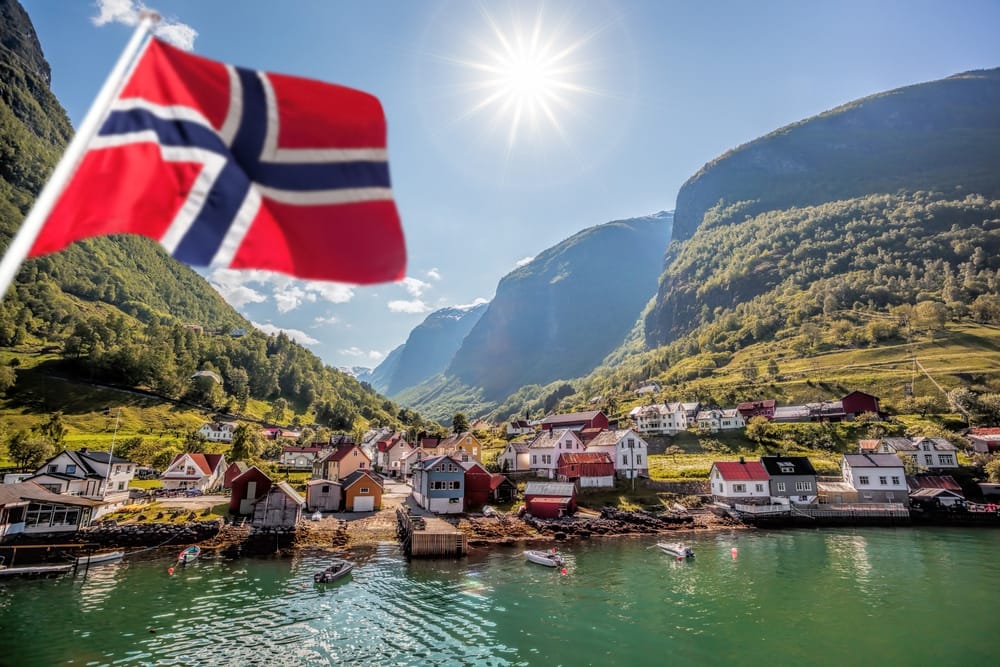
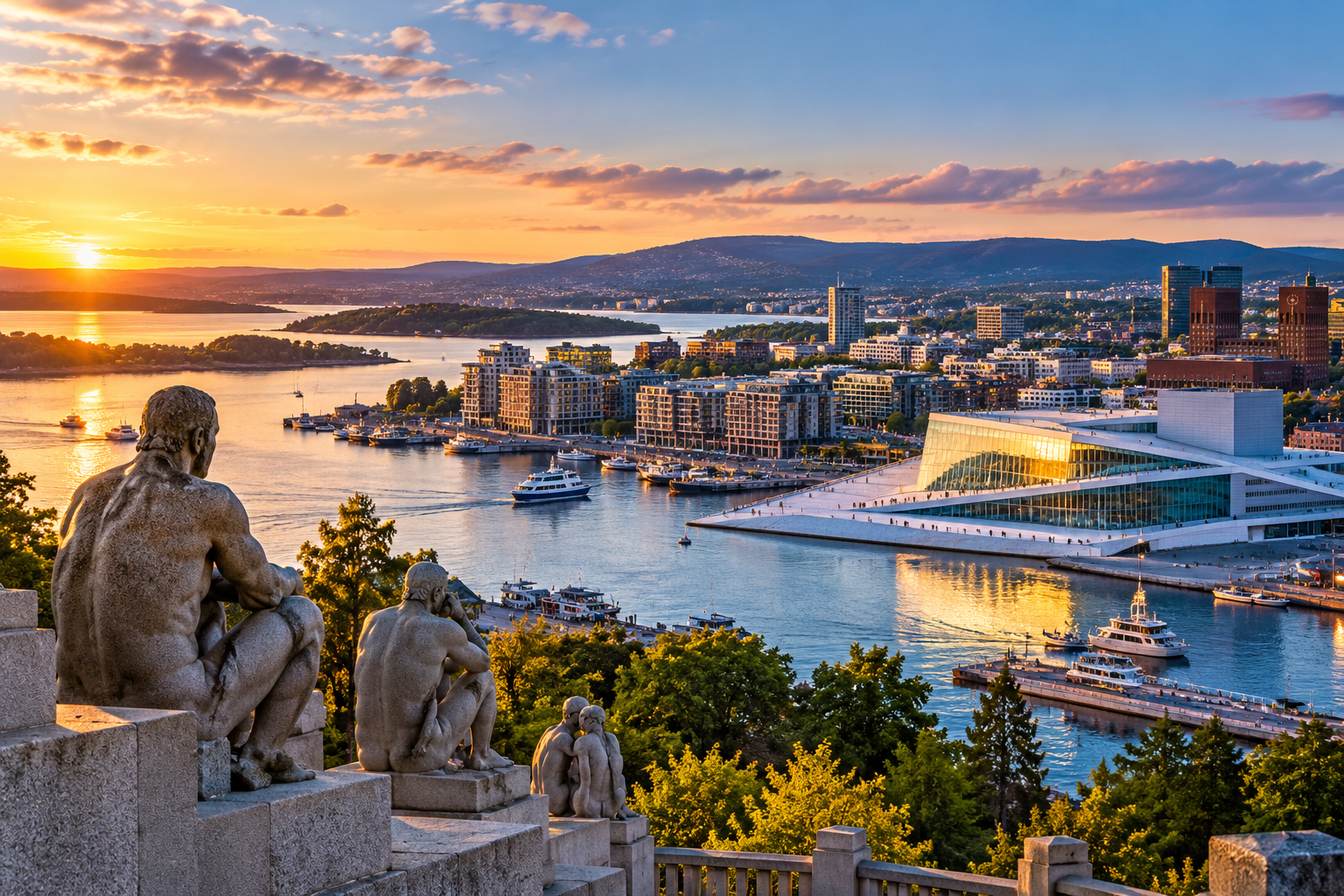
June to August is a popular period for exploring destinations such as Oslo, Bergen and the Norwegian fjords.
Long daylight hours allow travellers to spend more time sightseeing and exploring the outdoors. Summer is particularly useful for travellers planning fjord cruises, scenic drives and hiking experiences.
If your itinerary focuses on Norway’s natural scenery, summer provides plenty of opportunities to explore.
Winter in Norway
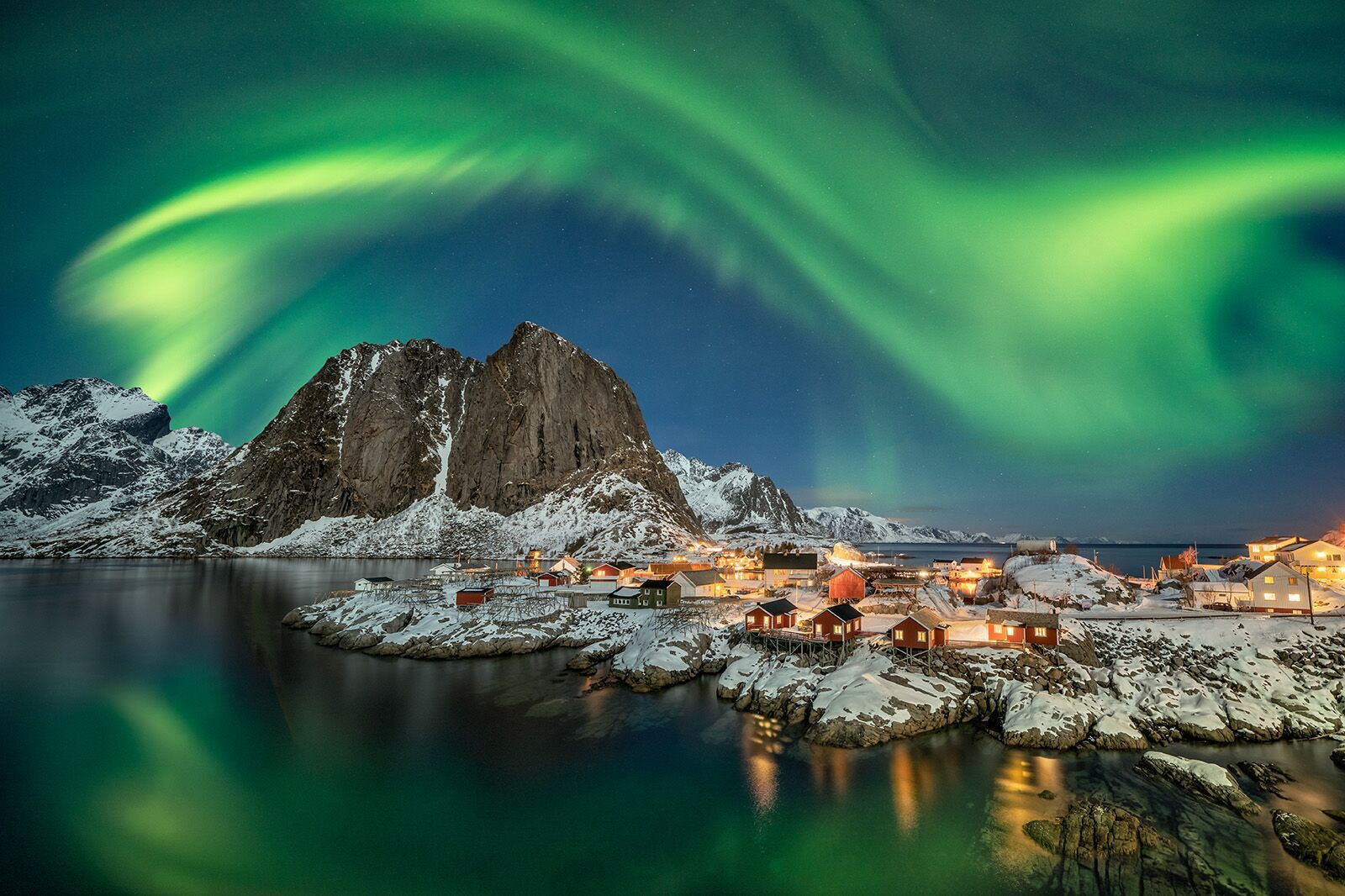
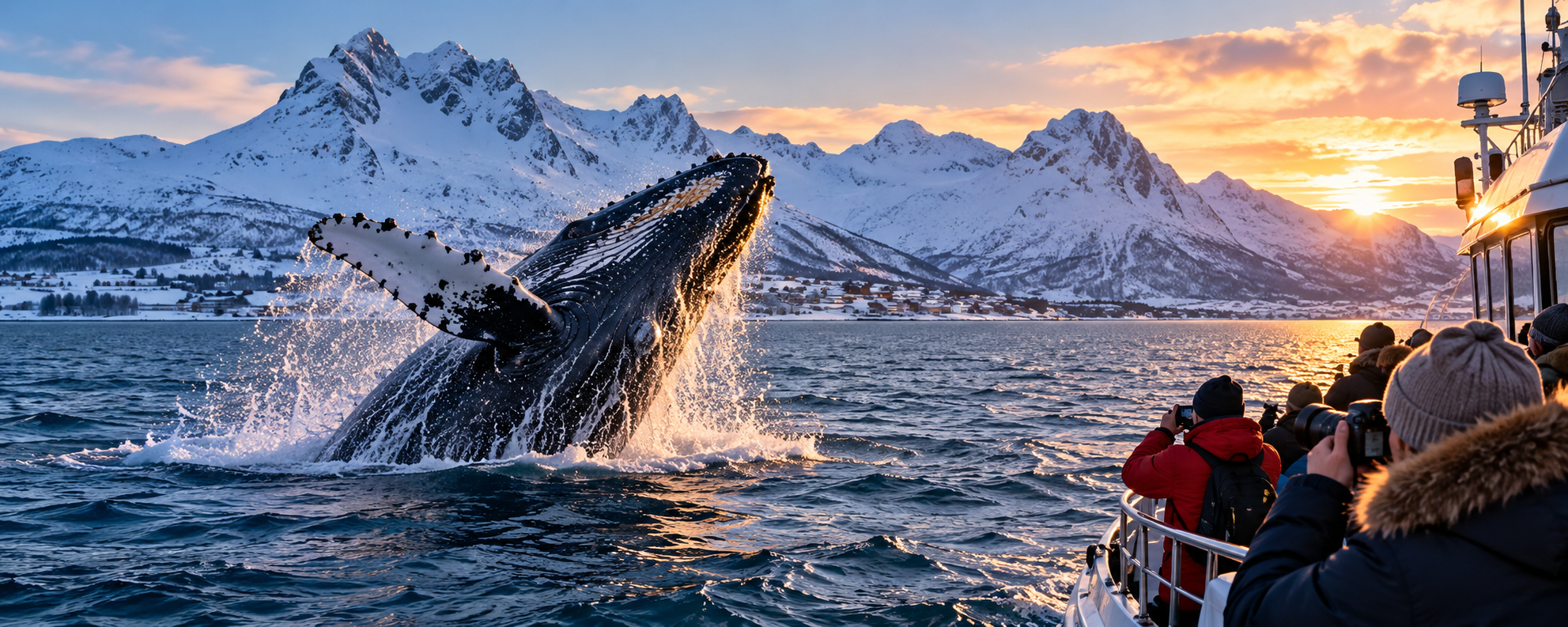
December to March offers a completely different experience. Northern Norway can have snowy landscapes and long periods of darkness, creating suitable conditions for Northern Lights tours.
However, seeing the Northern Lights is never guaranteed because visibility depends on factors such as cloud cover, darkness and solar activity.
3. Best Time to Visit Sweden
Sweden combines modern cities, historic architecture, forests, lakes and beautiful northern landscapes.
The best time to visit Scandinavia can also vary when Sweden is your main destination.
Summer in Sweden
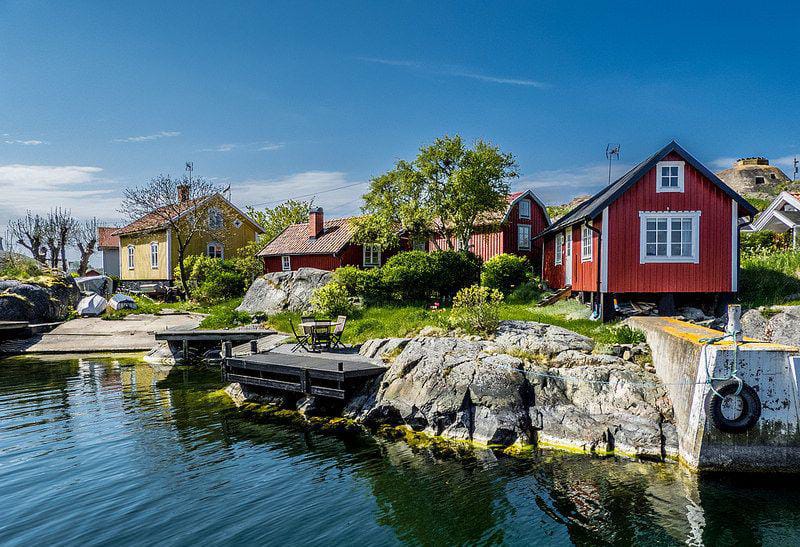
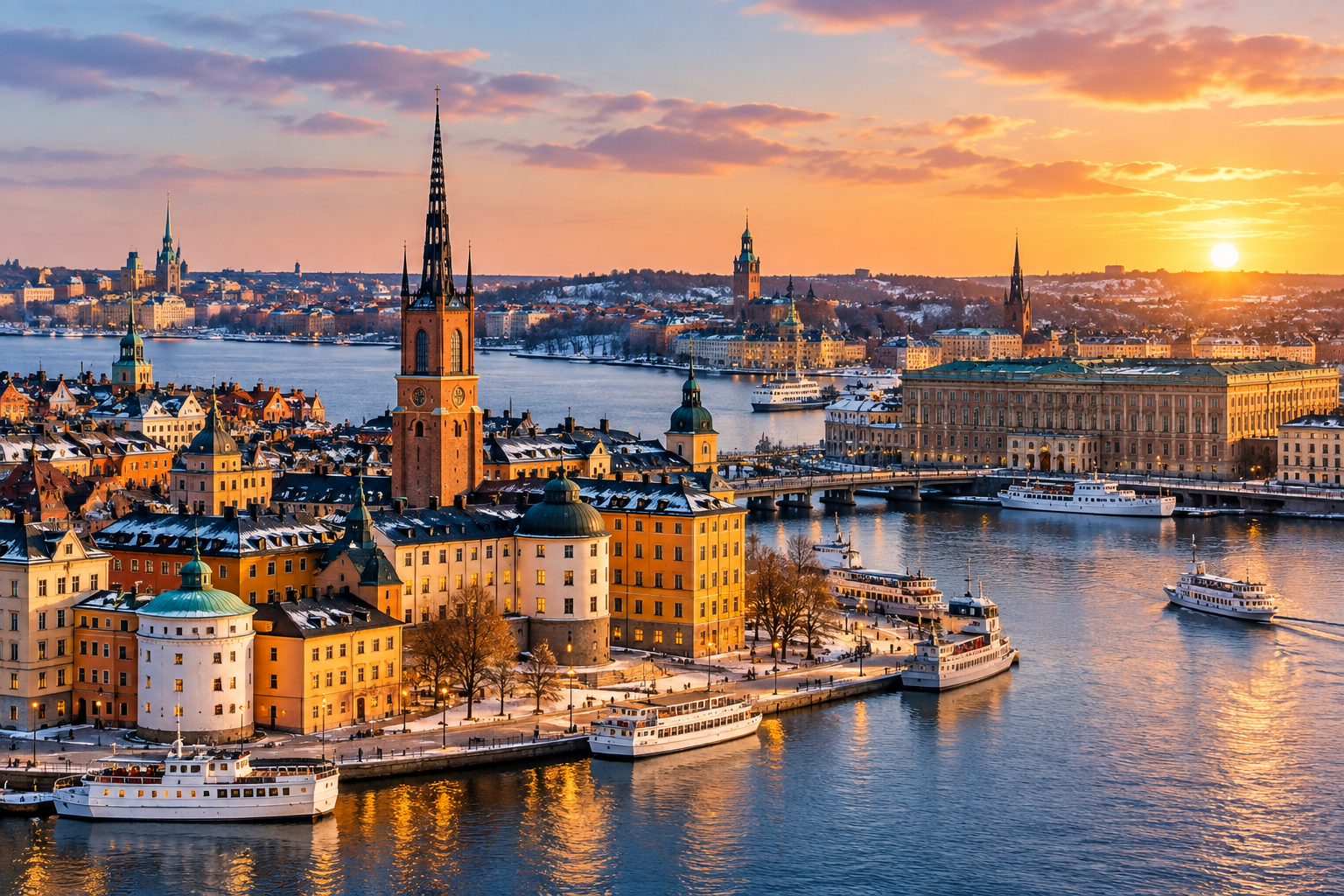
June to August is a popular period to explore Stockholm, Gothenburg and Sweden’s natural attractions.
Longer daylight hours make it easier to explore cities, take day trips and enjoy outdoor activities.
Stockholm is especially appealing during summer, with its waterfront setting, historic neighbourhoods and nearby islands offering plenty to explore.
Winter in Sweden

Winter transforms northern Sweden into a snowy landscape. Travellers can experience winter activities and explore the country’s northern regions.
For those interested in the Northern Lights, northern Sweden can provide opportunities during the darker winter months.
4. Best Time to Visit Denmark
Denmark offers a different Scandinavian experience, with historic cities, coastal scenery, castles and a strong cycling culture.
When deciding the best time to visit Scandinavia, Denmark offers a different seasonal experience.
Summer in Denmark
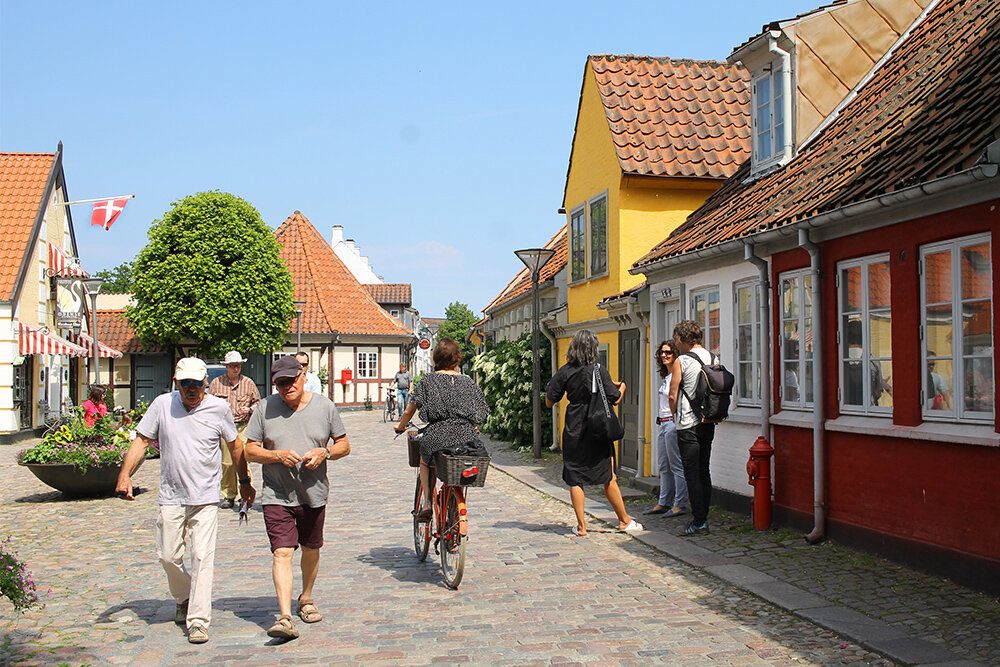
June to August brings longer days and generally favourable conditions for sightseeing.
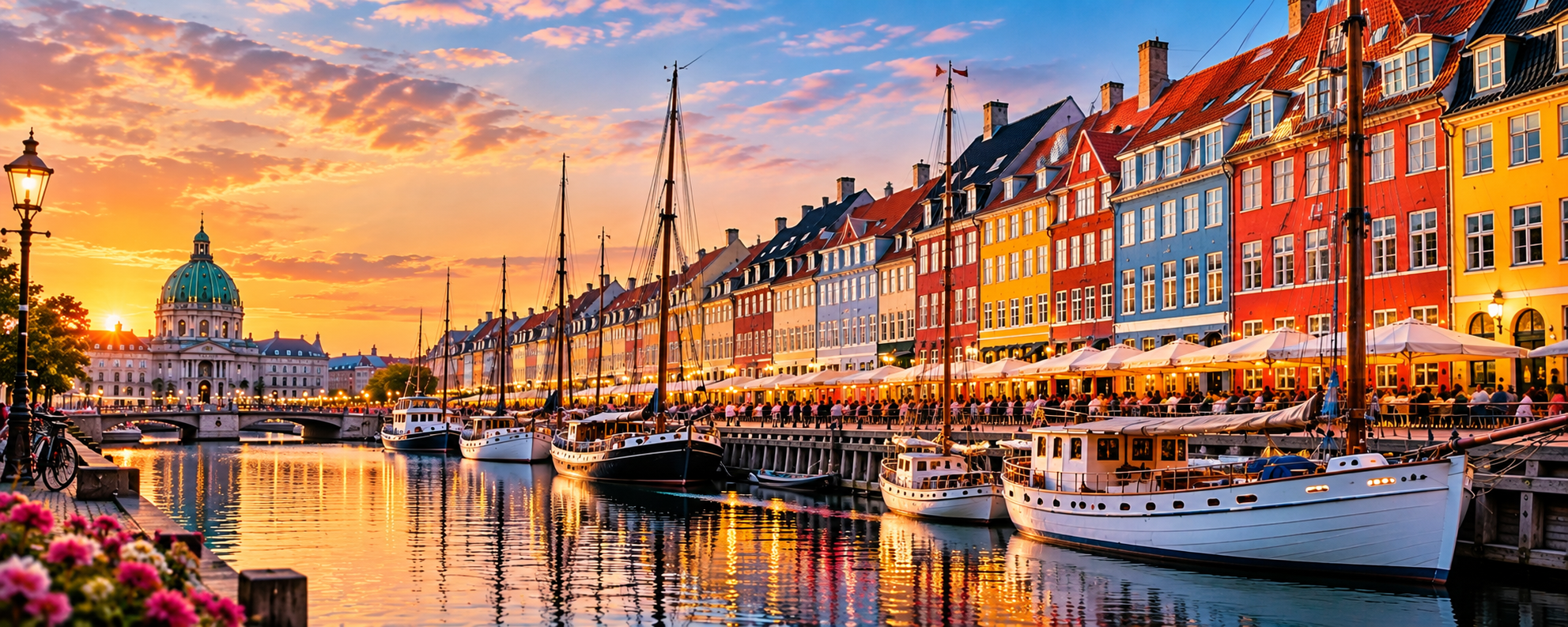
Copenhagen can be explored comfortably during this period, while day trips can be added to a wider itinerary.
Spring and Autumn in Denmark
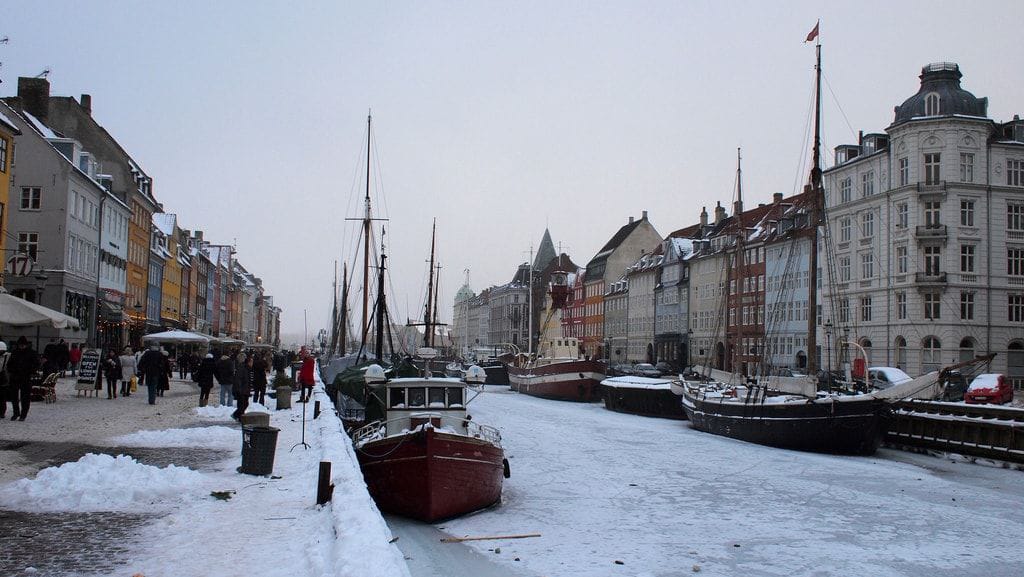
Spring and autumn can be suitable for travellers who prefer cooler weather and a quieter atmosphere.
Weather conditions can be changeable, so packing layers and checking the forecast before travelling is useful.
5. Scandinavia in summer : June to August
Scandinavia in summer is ideal for travellers who want longer days and outdoor exploration.
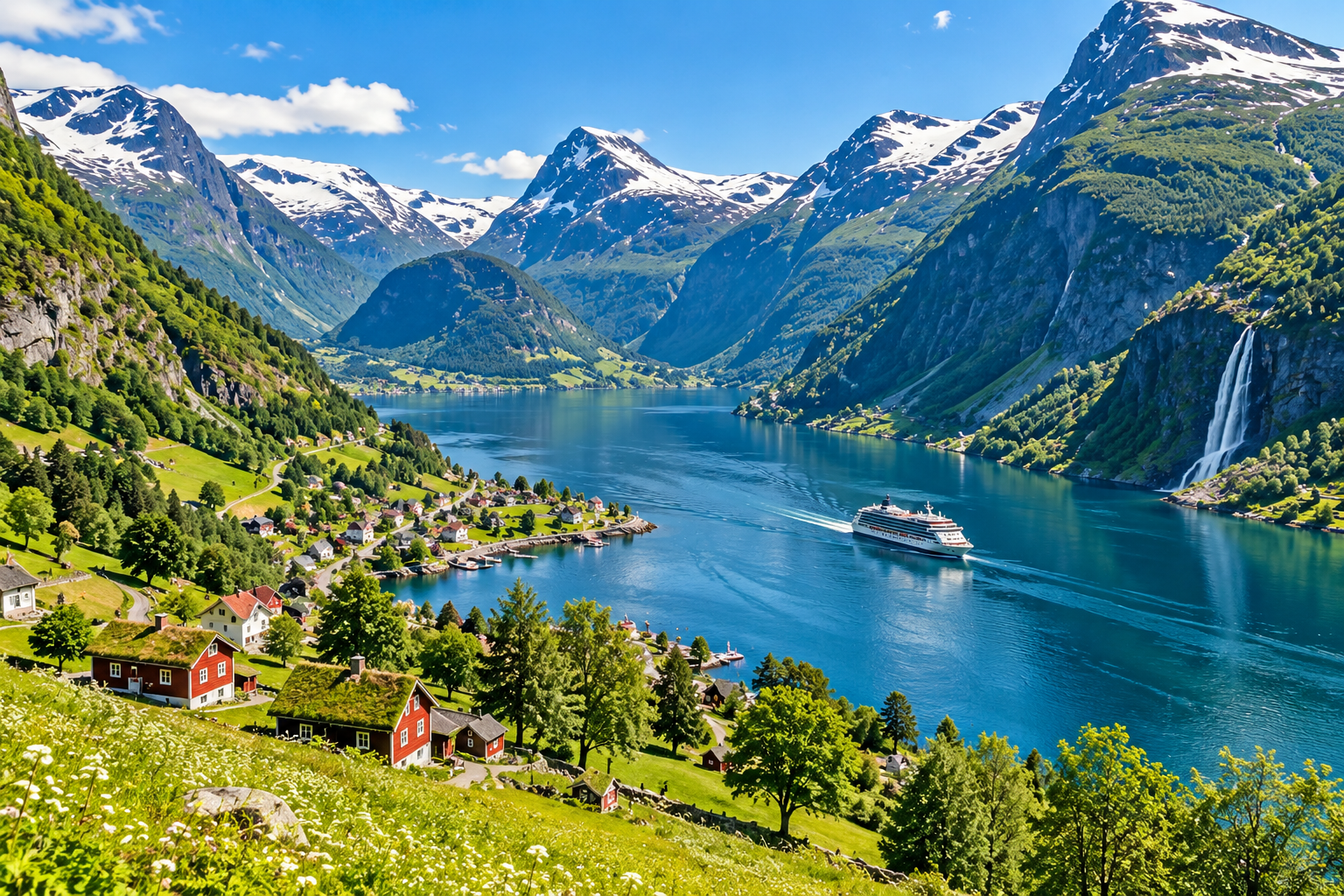
From June to August, you can enjoy:
- Longer daylight hours
- Fjord cruises in Norway
- City sightseeing
- Scenic road trips
- Outdoor activities
- Coastal experiences
- Day trips between major destinations
Norway is particularly attractive for fjord experiences, while Sweden and Denmark are excellent for combining city sightseeing with outdoor activities.
One advantage of summer is the extended daylight. In northern parts of Norway and Sweden, daylight can last for exceptionally long periods around midsummer.
The main consideration is demand. Popular destinations can be busier during peak summer, and accommodation may need to be booked in advance.
6. Scandinavia in Winter: November to February
Scandinavia in winter provides a completely different travel experience.
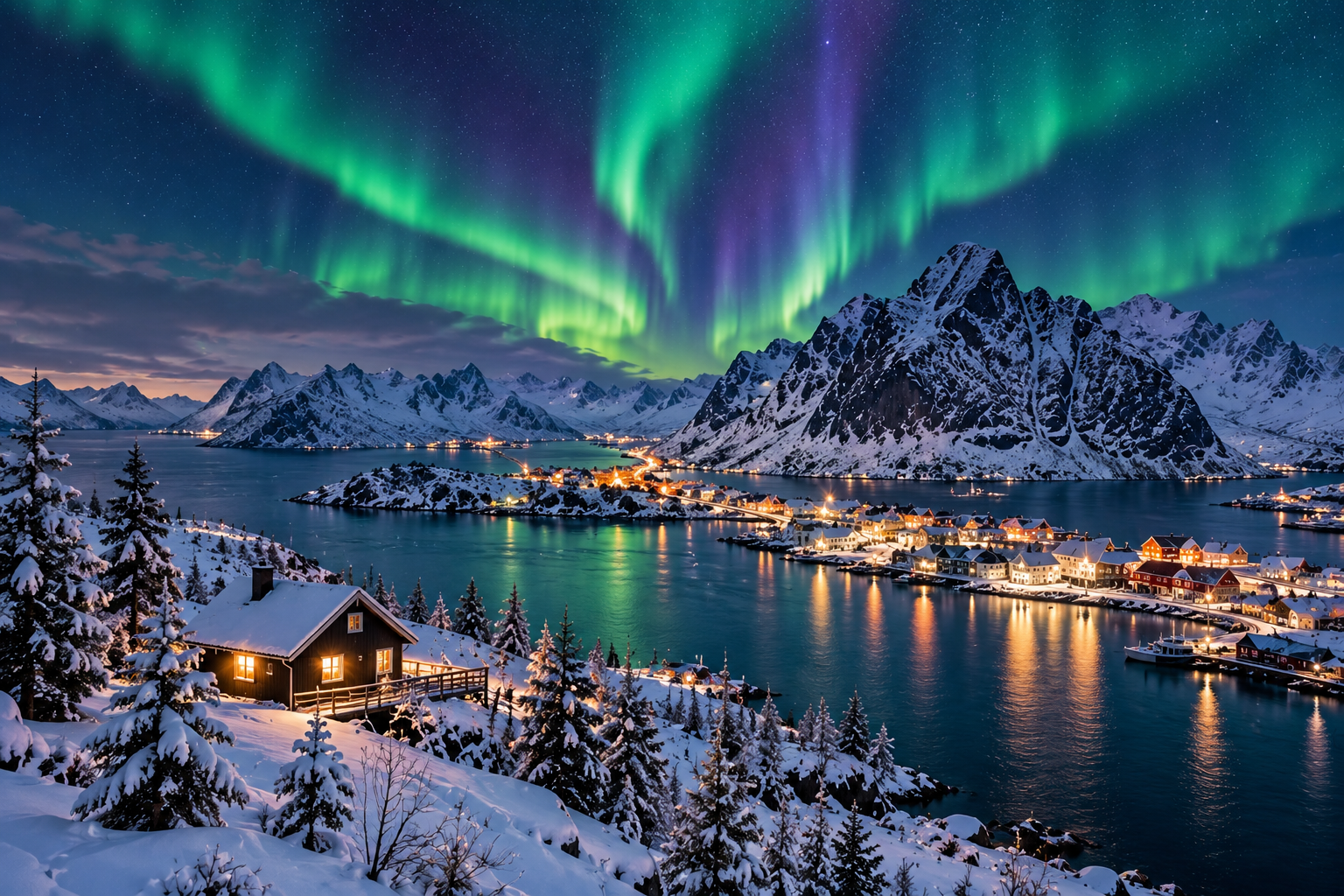
Northern Norway and Sweden can receive significant snowfall, while cities across the region take on a distinctly winter atmosphere.
Winter highlights include:
- Snow-covered landscapes
- Winter activities
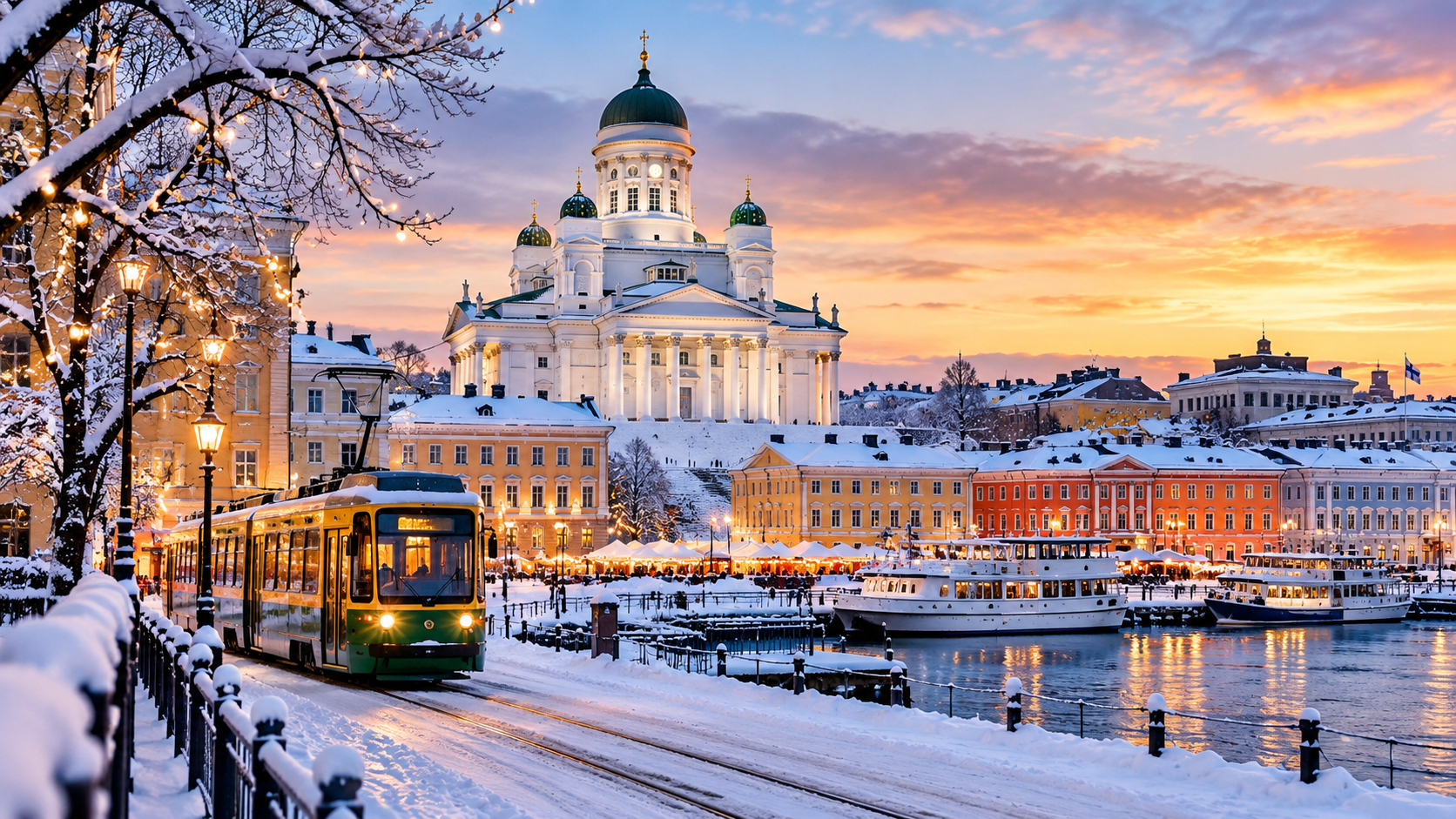
- Christmas markets and festive experiences
- Shorter daylight hours
- Northern Lights opportunities in northern areas
For travellers specifically interested in the Northern Lights, the darker months provide the necessary nighttime conditions. However, clear skies and suitable solar activity are also required, so sightings cannot be guaranteed.
Denmark generally has a milder winter compared with northern Norway and Sweden, making it more suitable for travellers primarily interested in city experiences.
7. Which Month Is Best for Your Scandinavia Trip?
There is no single answer to the question of the best time to visit Scandinavia because the ideal month depends on your travel priorities.
Choose May if you want:
- Spring scenery
- Fewer peak-season crowds
- Longer days than winter
- A mix of city and outdoor experiences
Choose June to August if you want:
- Long daylight hours
- Outdoor activities
- Fjord experiences
- Road trips
- Summer sightseeing
Choose September to October if you want:
- Autumn scenery
- Cooler temperatures
- Fewer tourists
- A quieter travel experience
Choose November to February if you want:
- Snowy landscapes
- Winter activities
- Festive experiences
- Northern Lights opportunities in northern Norway and Sweden
Choose March or April if you want:
- A transition between winter and spring
- Remaining snow in northern areas
- Longer daylight compared with the peak winter period
For a first Scandinavian holiday focused on sightseeing and natural scenery, summer offers a convenient combination of longer days and accessible outdoor experiences. For travellers focused on winter landscapes and Northern Lights opportunities, the darker months are more relevant.
FAQs
What is the best time to visit Scandinavia?
The best time depends on your itinerary. June to August is popular for sightseeing and outdoor activities, while the winter months are more suitable for snow and Northern Lights opportunities in northern areas.
Which countries are part of Scandinavia?
Scandinavia traditionally consists of Norway, Sweden and Denmark.
Is summer or winter better for Scandinavia?
Summer is suitable for longer daylight, sightseeing and outdoor activities. Winter is better suited to travellers looking for snowy landscapes, winter experiences and Northern Lights opportunities in northern areas.
What is the best time to visit Norway for the Northern Lights?
The darker months from roughly September to March provide nighttime conditions for Northern Lights viewing in northern Norway. However, sightings depend on weather and solar activity and cannot be guaranteed.
How many days are enough for a Scandinavia trip?
A 7–10 day itinerary can provide an introduction to Norway, Sweden and Denmark. A longer trip allows more time for scenic destinations and slower travel between countries.