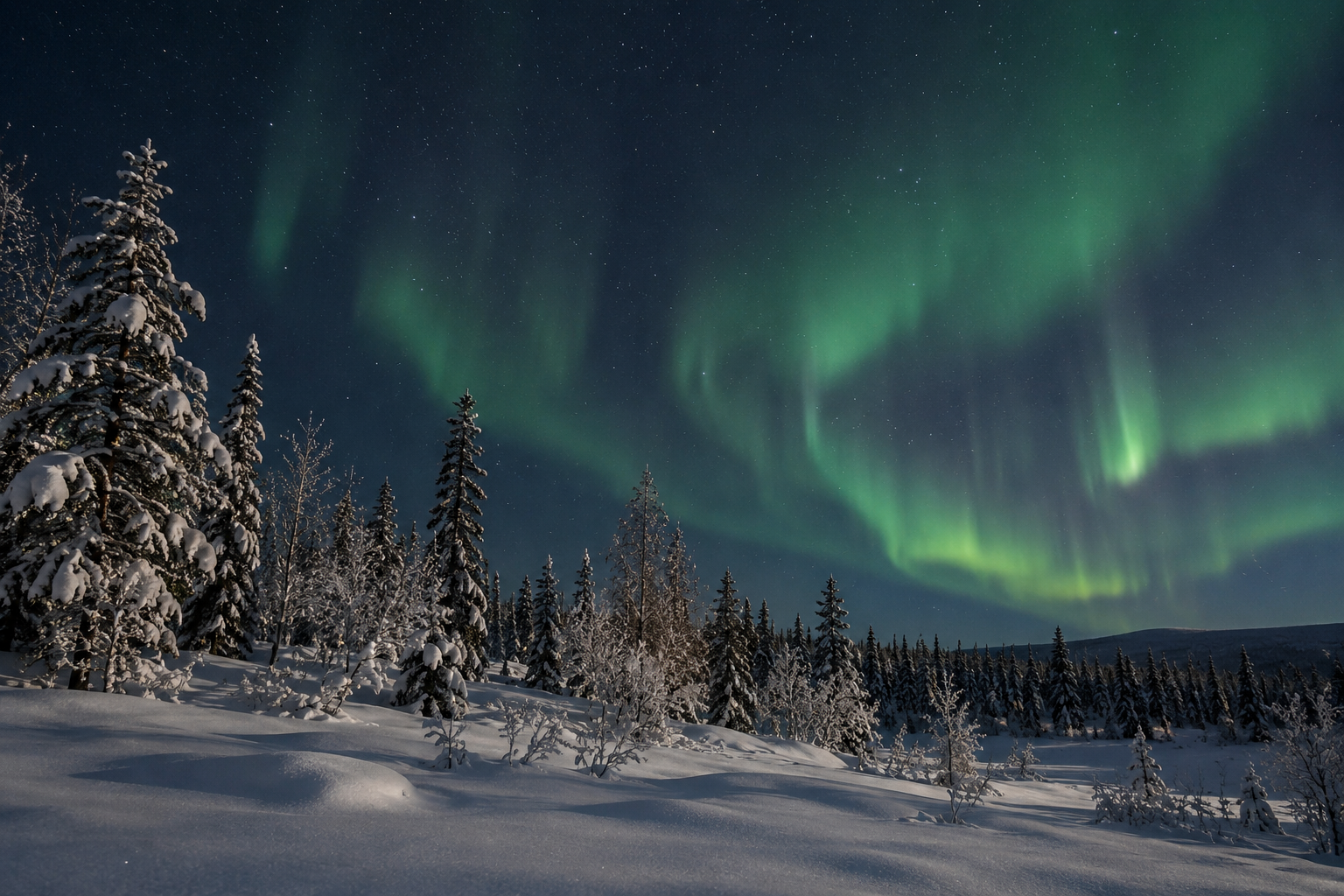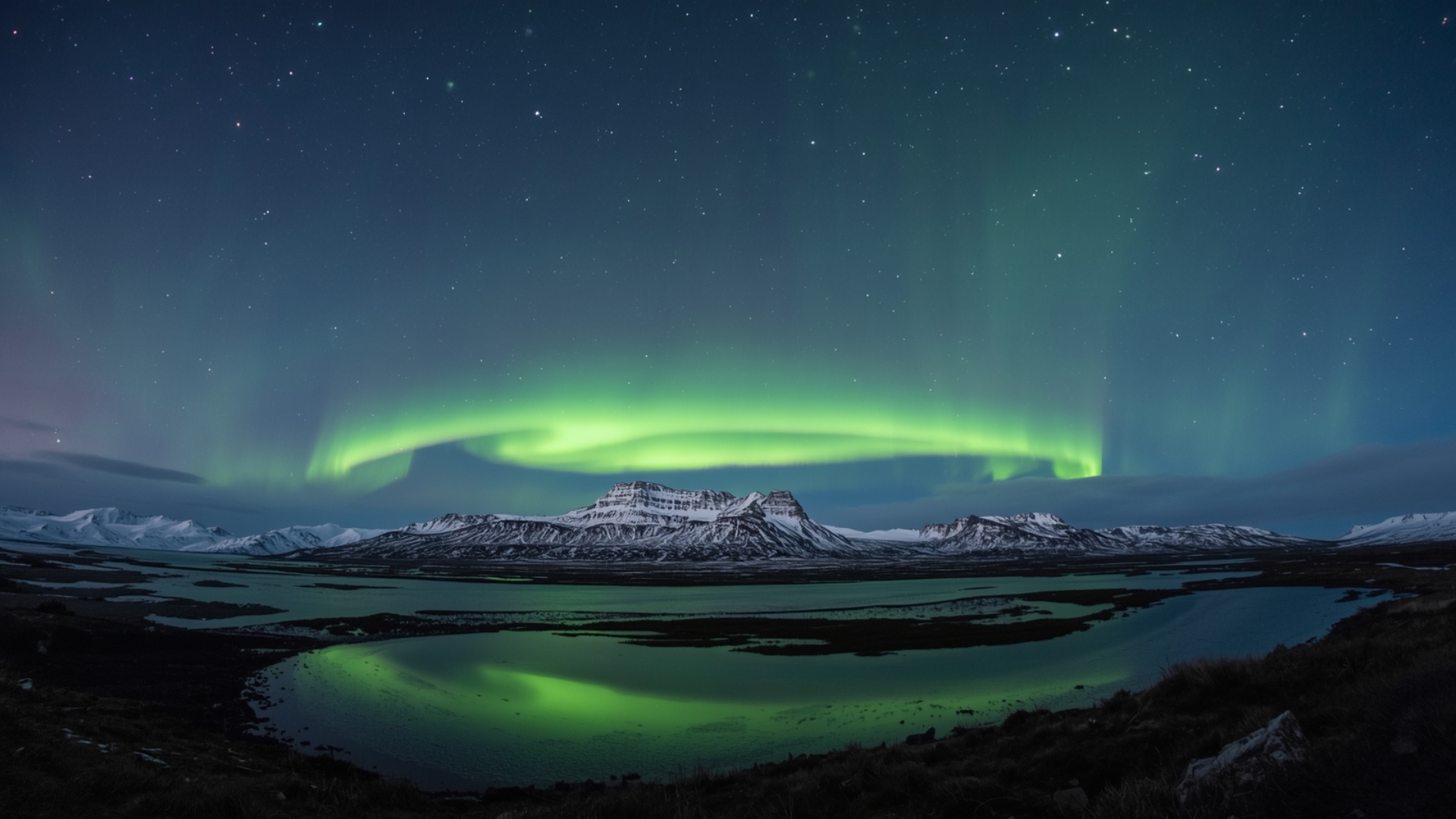
Your Iceland Aurora Borealis trip is not just a vacation — it is a once-in-a-lifetime encounter with the universe. For Indian travellers who have grown up under warm skies and bright city lights, standing beneath a rippling curtain of green and violet light in the Arctic dark is nothing short of a spiritual experience. Iceland has quietly become one of the most sought-after destinations for Indian explorers, and for good reason. This guide covers everything you need to know before you go — from the best time to visit and where to stay, to culture, packing tips, and why Nordic travel specialists are your best travel partner.
Table of Contents
Why Indians Are Choosing Iceland for the Northern Lights
Iceland sits directly beneath the auroral oval — the band around the Earth’s magnetic poles where aurora activity is most intense and frequent. Unlike Norway or Sweden, Iceland offers a compact geography where you can chase the lights, soak in geothermal hot springs, explore black-sand beaches, and walk on glaciers — all in a matter of days This Iceland Aurora Borealis Trip guide is designed specifically for Indian travellers planning their first Northern Lights adventure Travellers interested in Arctic adventures can also explore our Norway Northern Lights Tours for another unforgettable aurora experience.

For Indian travellers, Iceland represents the ultimate contrast. The silence, the snow, the endless skies, the midnight darkness — it is a world away from the sensory richness of India, and that contrast is exactly what makes it so magnetic.
Best Time for an Iceland Aurora Borealis Trip
The Northern Lights are visible in Iceland from late September through late March. This window aligns with long, dark Arctic nights — a key requirement for aurora visibility Choosing the right season can significantly improve your Iceland Aurora Borealis Trip experience.
The sweet spot months are October, November, February, and March. These months offer long dark nights, relatively stable weather, and a high frequency of aurora activity. January can be spectacular but is also the coldest and most unpredictable Before heading out for an aurora hunt, travellers can check the latest space weather and Northern Lights forecasts through the official NOAA Aurora Forecast to improve their chances of witnessing the phenomenon.
A key tip: aurora visibility depends on three factors — solar activity (measured by the Kp index), clear skies, and darkness. Iceland’s weather changes rapidly, so flexibility in your itinerary is your biggest asset. Travelling with a Nordic package that includes aurora alerts and flexible day planning makes a meaningful difference.
Where to See the Northern Lights in Iceland
Reykjavik
Iceland’s capital is a great base, but light pollution can reduce aurora visibility within the city. Drive just outside the city limits — even a short distance into the countryside transforms the sky dramatically.
Snæfellsnes Peninsula
This rugged peninsula on Iceland’s west coast is one of the most magical settings for aurora watching. With glaciers, lava fields, and remote coastlines, it offers near-perfect dark skies.
The Golden Circle Region
The countryside around the Golden Circle — which includes Þingvellir National Park, the Geysir geothermal area, and Gullfoss waterfall — is a popular aurora zone due to its accessibility and minimal light interference.
The South Coast
Jökulsárlón Glacier Lagoon is arguably Iceland’s most dramatic aurora backdrop. Watching the lights shimmer and reflect off a lagoon filled with floating icebergs is an experience that stays with you forever.
The Westfjords
For travellers who want true remoteness and near-guaranteed dark skies, the Westfjords offer one of the least light-polluted environments in all of Europe.
Visa and Entry — What Indian Passport Holders Need to Know
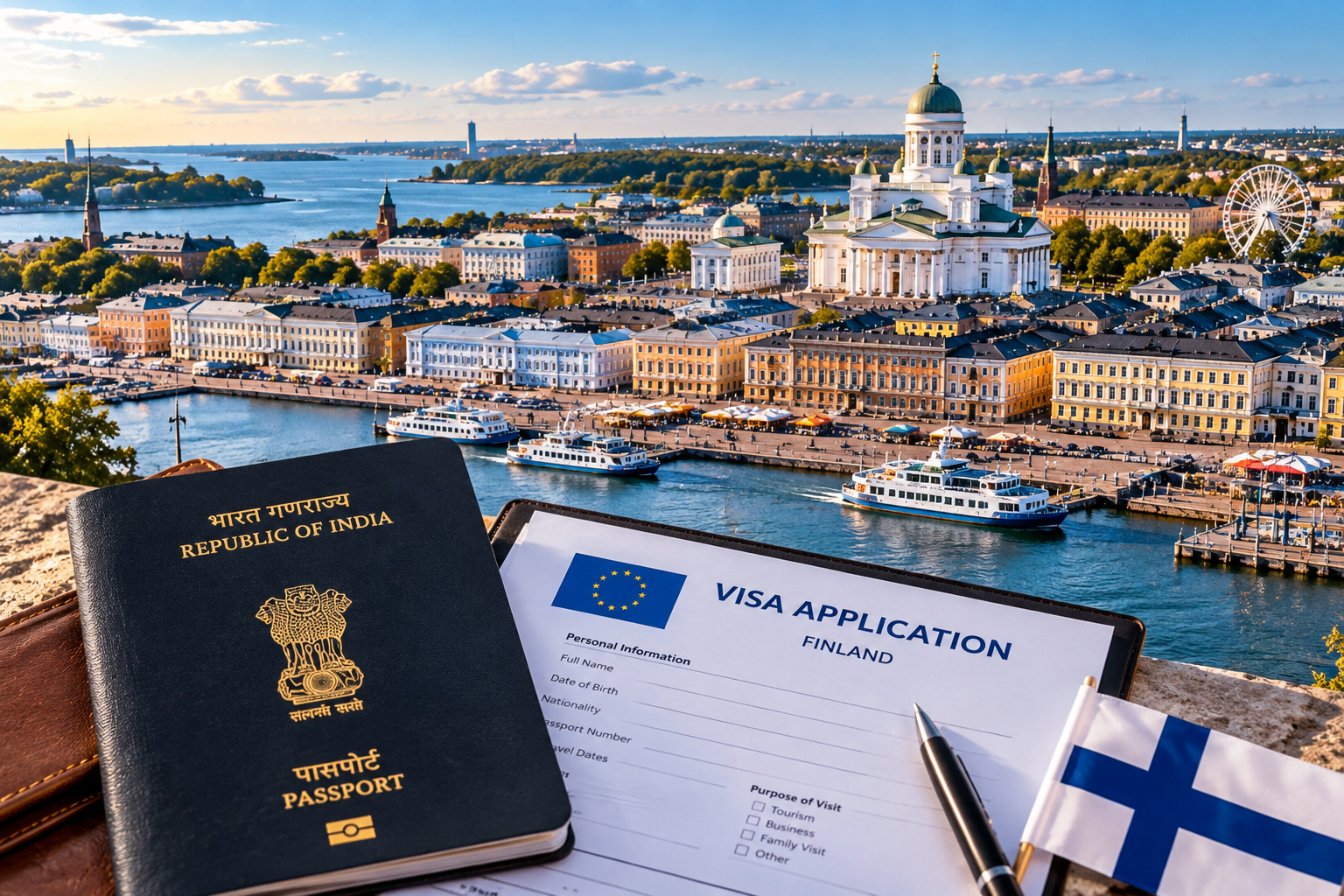
Iceland is part of the Schengen Area, which means Indian citizens require a Schengen visa to enter. Iceland itself does not have an Indian embassy; applications are typically processed through the Norwegian or Danish consulate in India, depending on your city of residence.

Key documents generally required include a valid passport, travel insurance with adequate medical coverage, hotel and itinerary bookings, bank statements, and a confirmed return ticket. Processing times can vary, so it is strongly advised to apply well in advance — ideally six to eight weeks before your trip. Working with a Nordic travel specialist who handles visa documentation support saves considerable time and stress.
Getting to Iceland from India
There are no direct flights between India and Iceland. Common routing options include connections via London (Heathrow), Copenhagen, Amsterdam, Frankfurt, or Dublin, with onward flights to Reykjavik’s Keflavik International Airport.
Flight durations with layovers typically range between fourteen and twenty hours depending on your Indian departure city. Major Indian cities with convenient onward connections include Mumbai, Delhi, Bengaluru, and Hyderabad. Look for connections that minimise total travel time and align with your aurora season window.
Where to Stay in Iceland
Accommodation in Iceland ranges from cosy guesthouses and farm stays to luxury boutique hotels and Northern Lights retreats. Many properties outside Reykjavik are specifically designed for aurora watchers — some even offer wake-up calls when the aurora appears overhead.
For an unforgettable experience, consider staying in a glass-roofed cabin or a property with floor-to-ceiling windows, where you can watch the lights from the warmth of your bed. These accommodations book out months in advance during peak aurora season, so early planning is essential.
What to Pack — The Indian Traveller’s Iceland Checklist
Iceland’s winter temperatures range from sub-zero to just above freezing, with wind and moisture amplifying the cold significantly. Indian travellers are often unaccustomed to this level of cold, so layering correctly is critical accommodation plays a major role in the success of any Iceland Aurora Borealis Trip.
Essential packing items:
- Thermal base layers (top and bottom)
- Fleece mid-layer
- Waterproof and windproof outer jacket
- Waterproof trousers
- Insulated, waterproof boots (ankle-height minimum)
- Woollen hat, gloves, and neck gaiter
- Hand warmers
- Sunglasses (for glacier and snow glare)
- A good camera with spare batteries (cold drains batteries quickly)
A pro tip for aurora photography: bring a tripod and set your phone or camera to night mode or manual long-exposure. The lights often move slowly enough to photograph beautifully, but a steady surface is essential.
Food, Culture, and What Indians Should Know
Icelandic cuisine is primarily meat and seafood-based, with lamb, Arctic char, skyr (a thick yogurt-like dairy product), and freshwater fish being staples. Vegetarian and vegan options are available in Reykjavik’s growing restaurant scene, but become limited in rural areas.
For Indian travellers with dietary preferences or restrictions, Reykjavik has Indian restaurants and international dining options. If travelling to remote regions, carrying packaged Indian snacks and instant meals is a practical idea.

Culturally, Iceland is an incredibly safe and welcoming destination. It ranks consistently among the most peaceful countries in the world. People are friendly, English is widely spoken, and solo travellers — including women — report feeling completely at ease.
Why Book a Nordic Package with a Specialist
Iceland travel has unique nuances that go beyond standard holiday planning — aurora alerts, weather-dependent activity windows, remote driving conditions, and Schengen visa navigation are just a few examples. A dedicated Nordic travel specialist brings:
- Expert knowledge of the best aurora-viewing windows and locations
- Flexible, weather-responsive itineraries
- Accommodation recommendations tailored to aurora visibility
- Visa documentation support for Indian travellers
- 24/7 support while you are in Iceland
Attempting to plan Iceland independently during aurora season can lead to missed opportunities if you are not tracking the Kp index or do not know where to position yourself on short notice. A specialist ensures your Iceland Aurora Borealis trip is optimised from the first day to the last As visa requirements and travel regulations may change over time, travellers should always verify the latest information through official government and tourism sources before finalising their Iceland itinerary.
Final Thoughts
An Iceland Aurora Borealis trip is one of those rare experiences that lives up to every expectation — and then surpasses them entirely. For Indian travellers, it is not just a destination. It is a reminder of how vast and extraordinary this planet is. The cold is real, the journey is long, and the planning takes effort — but the moment those lights spiral across the sky above you, everything else disappears For updated destination information, seasonal experiences, and travel inspiration, visitors can explore the official Visit Iceland tourism website before planning their journey.
The world’s most spectacular natural light show is waiting. All you have to do is show up A well-planned Iceland Aurora Borealis Trip combines comfort, adventure, and unforgettable natural beauty If you are planning a wider Nordic holiday, browse our Nordic Holiday Packages covering Iceland, Norway, Finland, and Sweden.
Ready to plan your Iceland Aurora Borealis trip? Let the Nordic travel experts at MakeMoreHolidays handle everything — from your Schengen visa to your aurora-view cabin. We specialise in crafting unforgettable Nordic experiences for Indian travellers, with end-to-end support at every step of your journey.
🌐 MakeMoreHolidays — Your Trusted Nordic Travel Partner 📞 Call us or WhatsApp us today for the best Nordic packages tailored for Indian travellers.