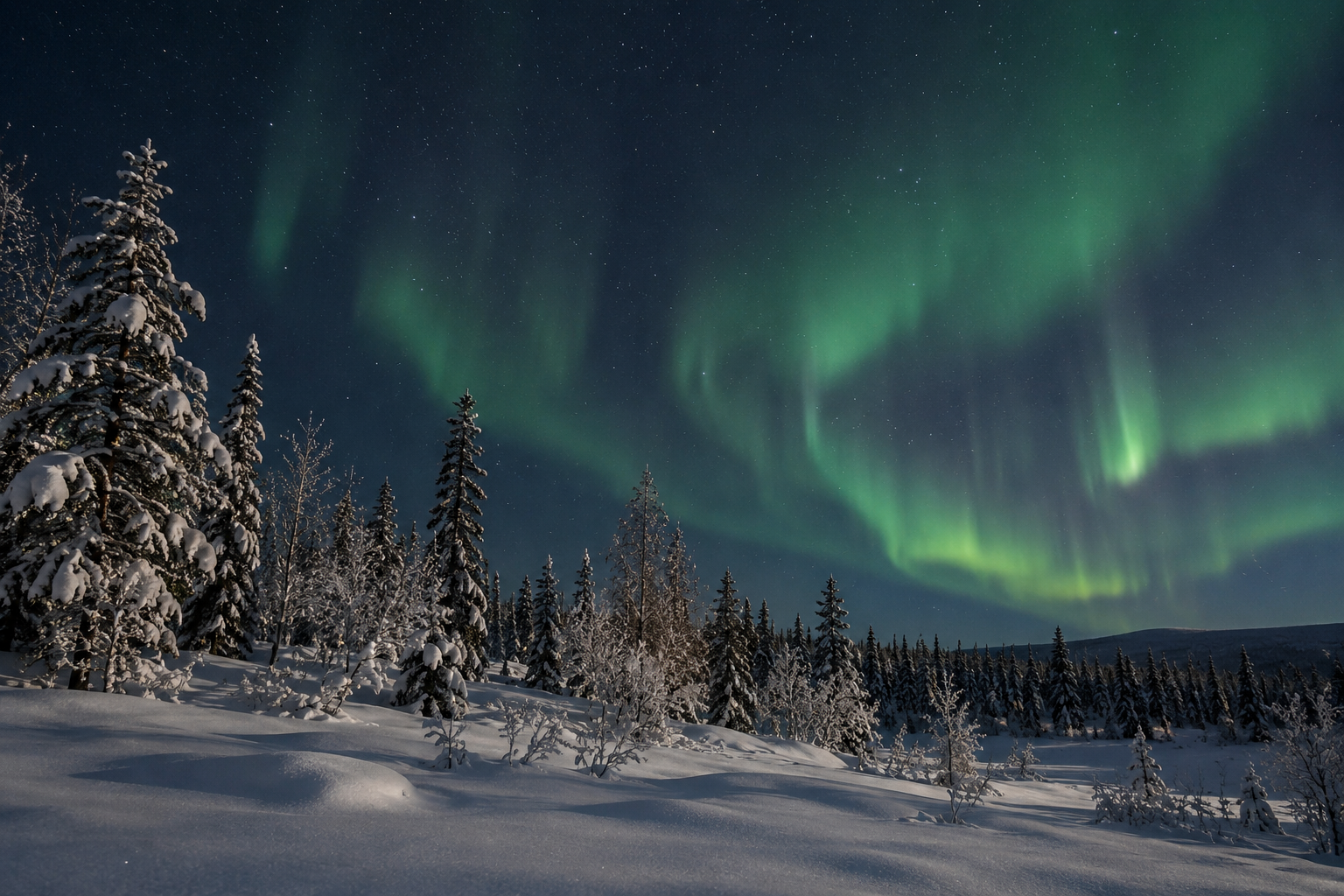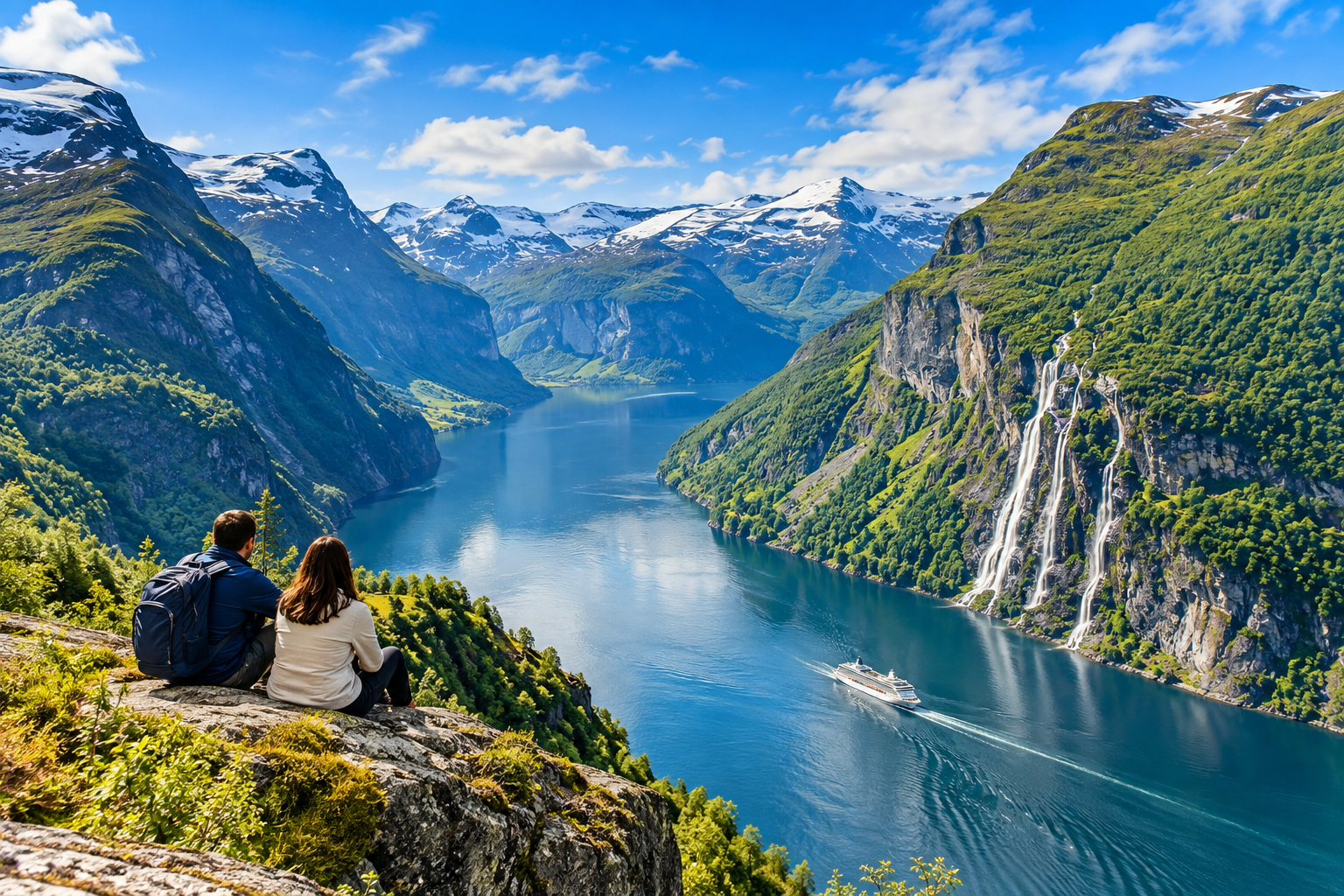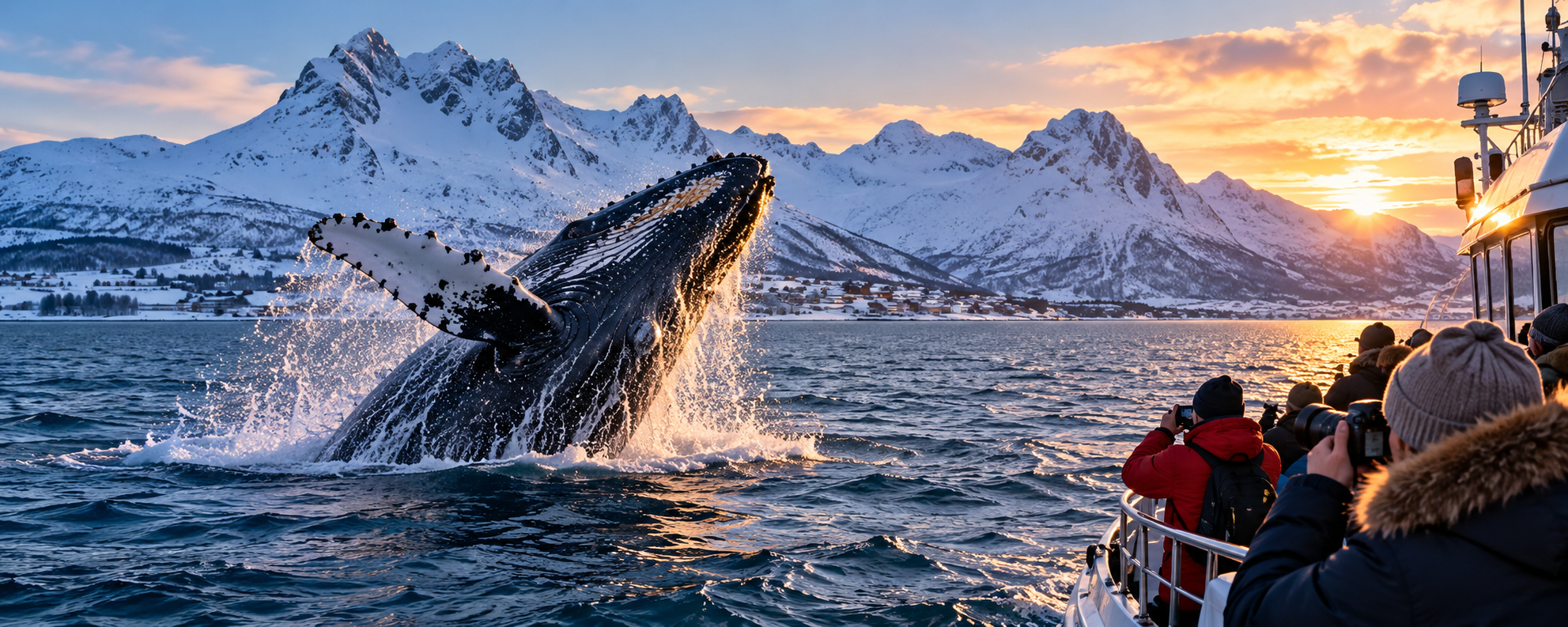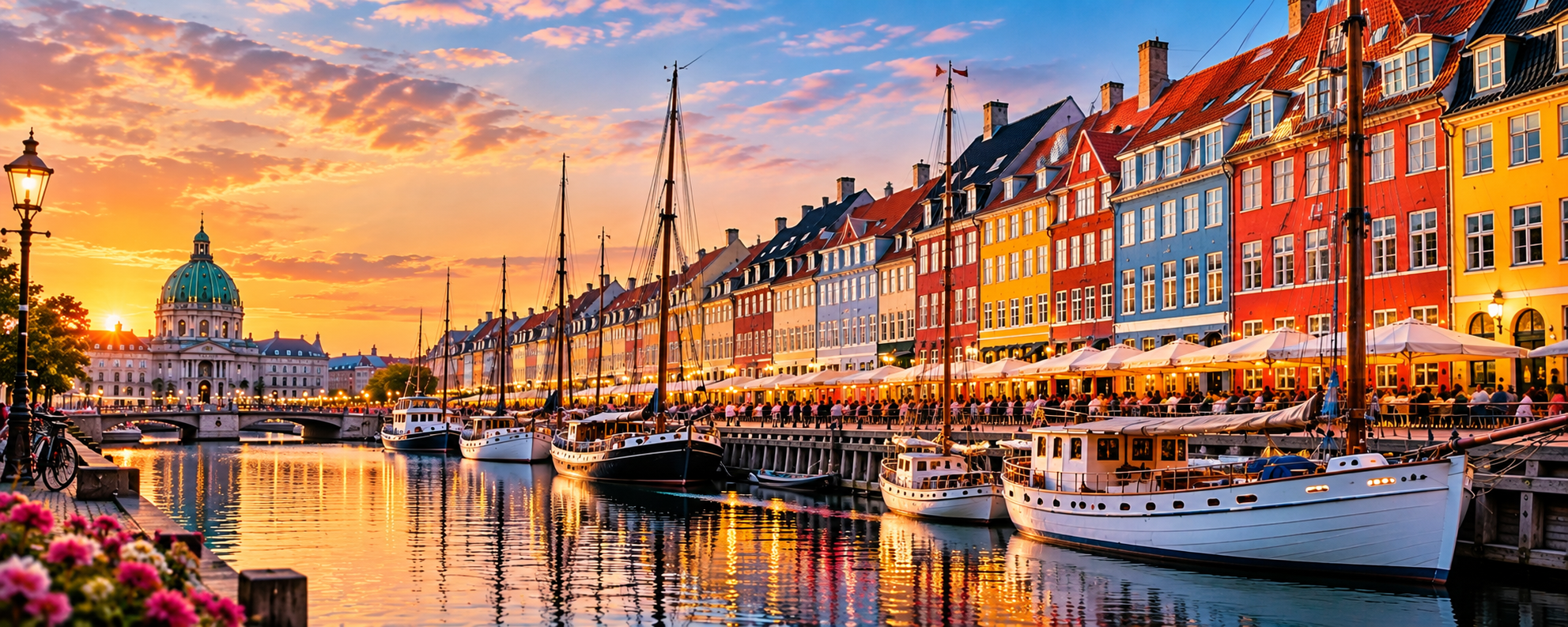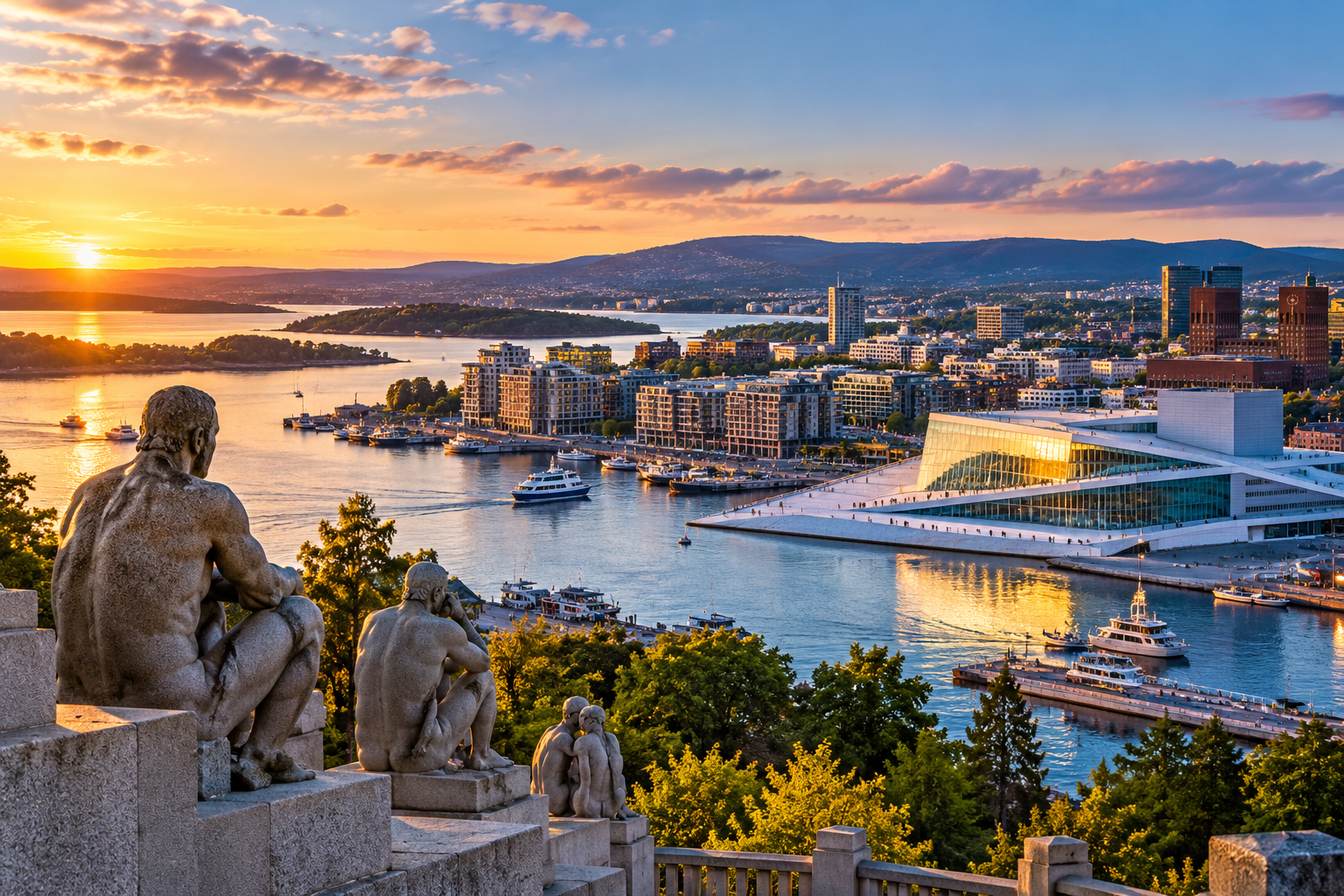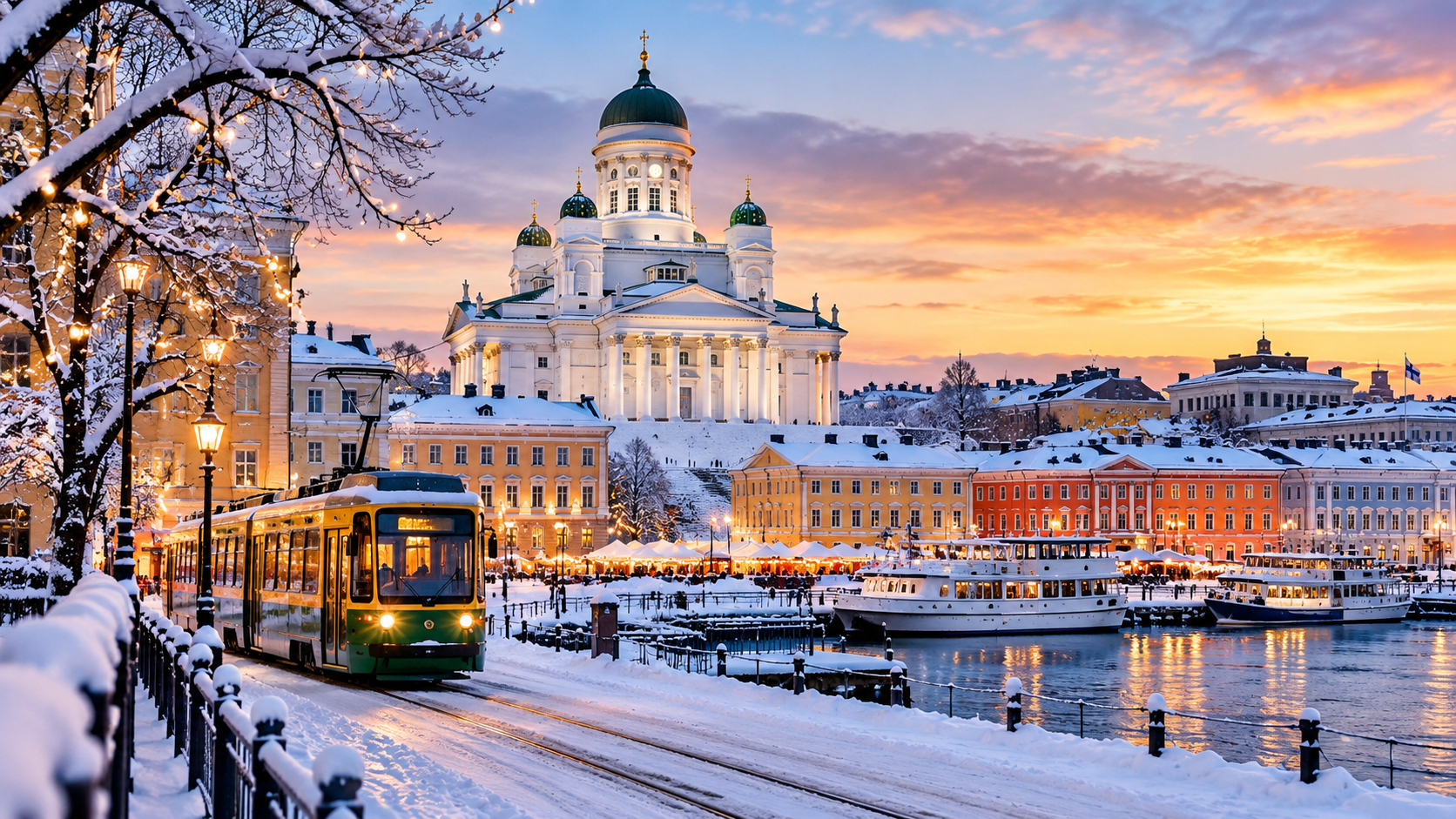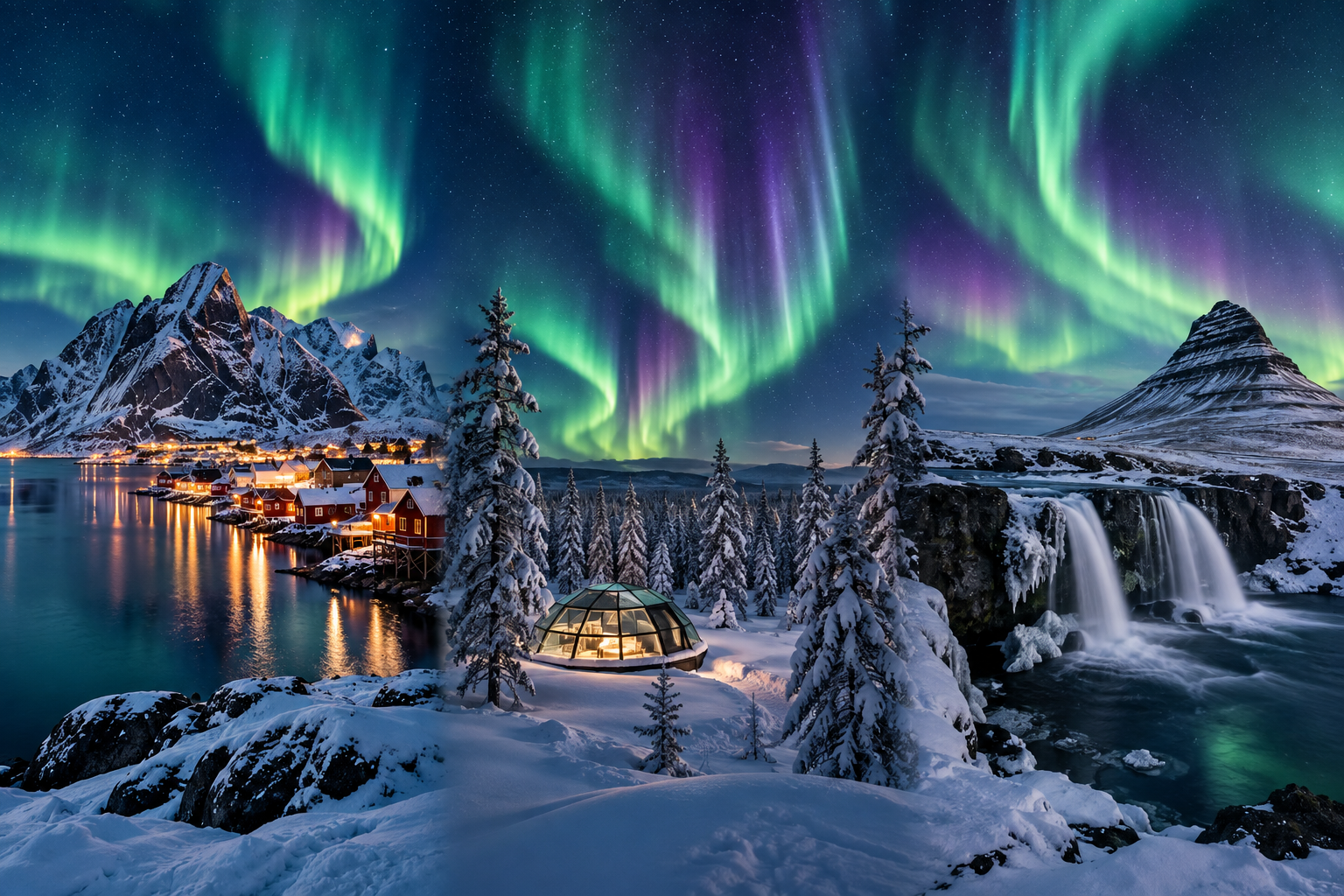
Seeing the Northern Lights is one of the most unforgettable travel experiences in the world. The dancing green, pink and purple lights across a dark Arctic sky attract travellers to destinations such as Norway, Iceland and Finland every year.
But one question comes up before almost every Northern Lights trip: what is the best time to see Northern Lights?
The answer depends on more than just the month. You need long, dark nights, clear skies, low light pollution and good aurora activity. While no destination can guarantee a sighting, choosing the right season and planning your trip carefully can significantly improve your chances.
In this guide, discover the best time to see Northern Lights in Norway, Iceland and Finland, along with 10 practical tips to plan your Aurora adventure.
What Are the Northern Lights?
The Northern Lights, also called the Aurora Borealis, are natural lights that appear in the night sky at high-latitude regions.
They occur when charged particles from the Sun interact with Earth’s magnetic field and atmosphere. This interaction creates spectacular colours that can appear as waves, arcs, curtains or dancing patterns across the sky.
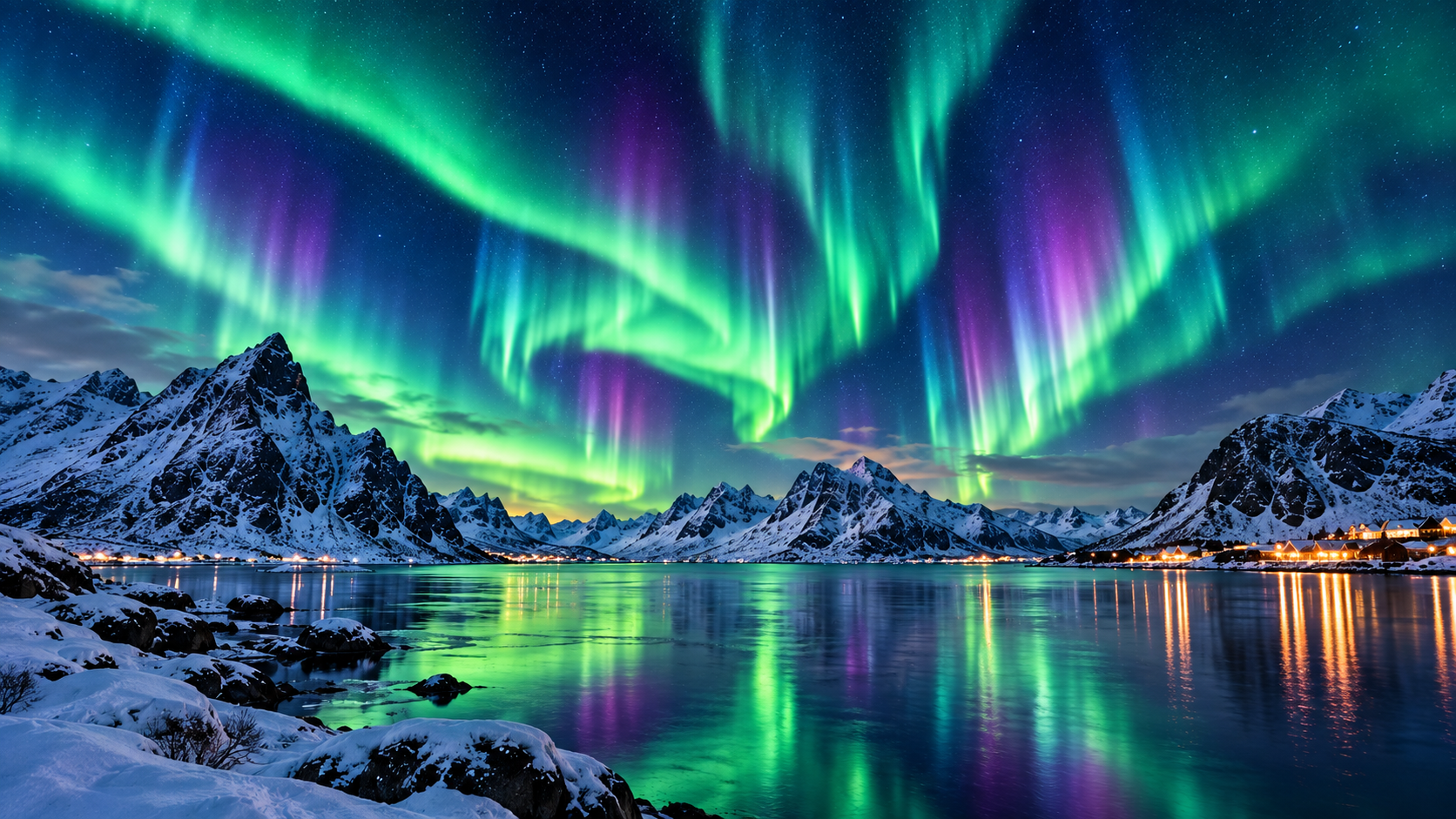
The most common colour is green, although strong displays can also include shades of pink, purple and red.
Because the Aurora is a natural phenomenon, there is never a 100% guarantee that you will see it. However, travelling during the right season and choosing a good viewing location can greatly improve your chances.
Best Time to See Northern Lights
The Northern Lights are generally visible during the dark winter season, from around late August or September until March or early April, depending on the destination.
The best months are usually:
- September & October – Dark nights return and Aurora activity can be strong.
- November to February – Long, dark nights provide plenty of viewing opportunities.
- March – Longer daylight returns, but dark nights and strong Aurora activity can still make it an excellent month.
For the best experience, don’t focus only on Aurora activity. Clear skies are equally important. Even strong Aurora activity cannot be seen through thick cloud cover.
7 Tips to See the Northern Lights
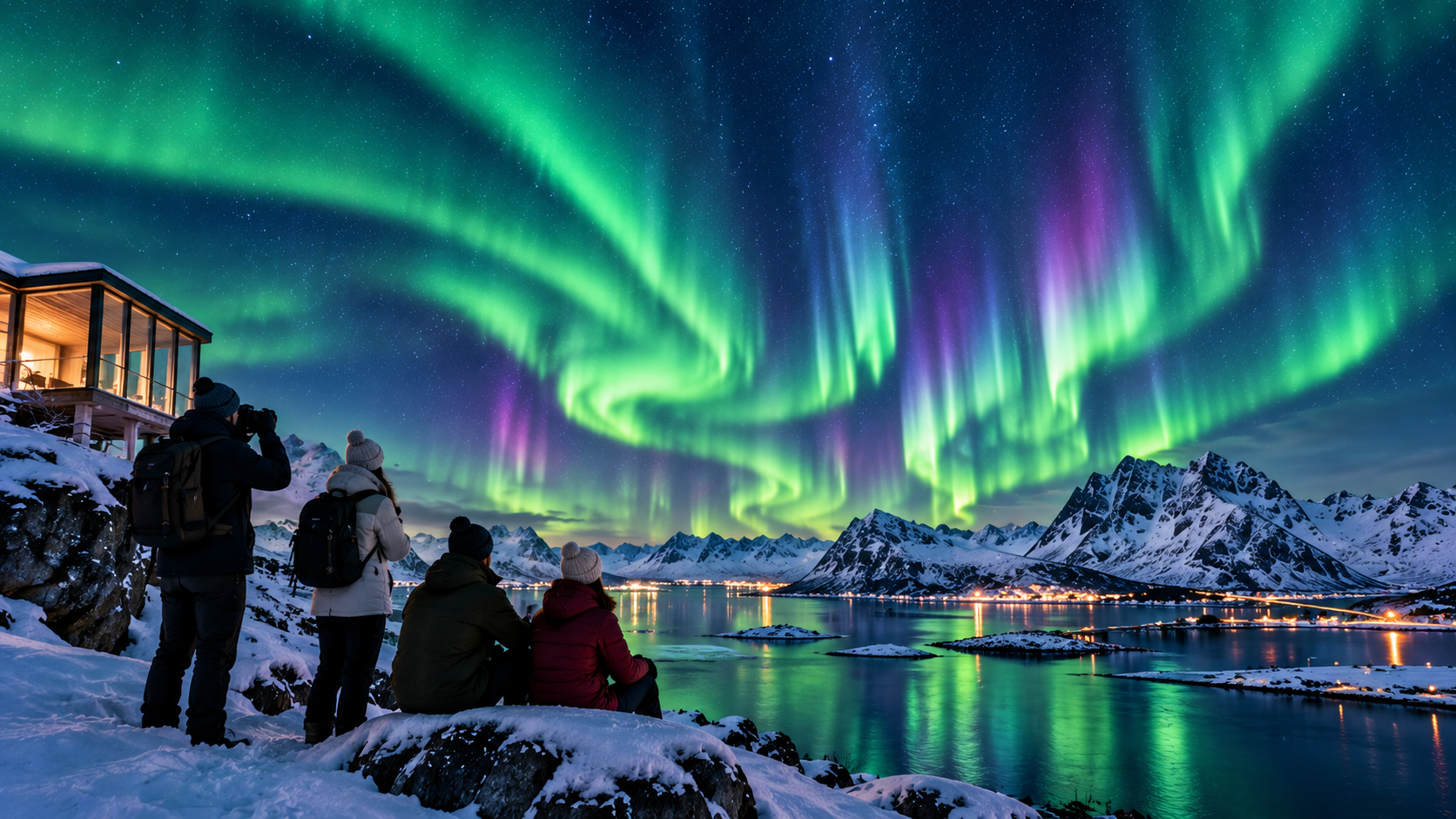
1. Choose the Right Season
The first step is choosing the right time of year. The Northern Lights are best viewed when the nights are long and dark. In Norway, Iceland and Finland, the main Aurora season generally runs from late August or September through March or early April.
September to October and February to March can be particularly good periods, offering a balance of darkness and Aurora activity. However, actual visibility always depends on weather and solar conditions.
2. Pick the Right Destination
Your destination can make a major difference to your Northern Lights experience. Locations within or near the Aurora Zone generally offer better opportunities to see the lights.
In Norway, Tromsø, Alta, Lofoten and Senja are popular choices. In Finland, travellers often choose Rovaniemi, Levi, Saariselkä and Inari, while Iceland offers excellent opportunities away from the bright lights of Reykjavik.
3. Stay for Multiple Nights
Don’t plan your entire Northern Lights trip around a single night. Aurora visibility depends on several factors, particularly cloud cover and solar activity, which can change quickly.
A stay of 3–4 nights or more gives you several opportunities to experience the lights. If one evening is cloudy or Aurora activity is low, you still have other nights available.
4. Find Clear and Dark Skies
Darkness is essential for seeing the Aurora clearly. Even strong Northern Lights can be difficult to see when there is significant artificial light or heavy cloud cover.
Try to travel away from busy city centres and choose locations with minimal light pollution and clearer skies. Checking the local weather forecast before heading out can also help you choose the best night.
5. Check the Aurora Forecast
Before starting your Northern Lights hunt, check both the Aurora forecast and local weather conditions.
Aurora forecasts can give you an idea of expected activity, while cloud forecasts tell you whether the sky is likely to be visible. Remember that forecasts are useful for planning but cannot guarantee a Northern Lights sighting.
6. Be Patient and Flexible
Seeing the Northern Lights sometimes requires patience. The Aurora may appear for only a short period, disappear and then return later in the night.
If conditions change, be prepared to adjust your plans or travel to another viewing location. This flexibility can significantly improve your chances of seeing a memorable display.
7. Dress Warm and Be Prepared
Northern Lights hunting often means spending a long time outdoors in cold Arctic conditions. Proper clothing is therefore just as important as choosing the right destination.
Wear thermal layers, an insulated jacket, warm gloves, a hat, thermal socks and waterproof winter boots. Staying warm and comfortable allows you to wait longer and enjoy the experience without having to return indoors early.
Best Time to See Northern Lights in Norway

Norway is one of Europe’s most popular destinations for viewing the Aurora Borealis.
Northern Norway generally offers opportunities from late August or September through March or early April, when nights are dark enough for Aurora viewing.
Best places in Norway
- Tromsø – One of the most popular bases for Northern Lights tours.
- Alta – Known for its Arctic environment and Aurora experiences.
- Lofoten – Combines dramatic mountains, fishing villages and Northern Lights.
- Senja – A quieter option with spectacular landscapes.
For travellers specifically planning an Aurora holiday, staying several nights in Northern Norway can give you more opportunities to experience the lights.
Best Time to See Northern Lights in Iceland

Iceland’s Northern Lights season generally runs from late August or September until April.
Iceland offers a unique advantage: your Aurora experience can be combined with waterfalls, glaciers, volcanic landscapes, black-sand beaches and geothermal attractions.
Popular places for Northern Lights in Iceland
- Reykjavik outskirts
- Akureyri
- North Iceland
- West Iceland
- Remote countryside areas
For better viewing conditions, getting away from city lights and choosing nights with clearer skies is important.
Best Time to See Northern Lights in Finland

Finland is another excellent choice for an Aurora-focused holiday, particularly Finnish Lapland.
The Northern Lights season generally runs from late August to early April. September–October and February–March are often highlighted as particularly good periods for Aurora activity.
Best places in Finland
- Rovaniemi
- Levi
- Saariselkä
- Inari
Finland also offers unique accommodation and experiences such as glass igloos, snow activities, reindeer experiences and husky safaris.
Best Months to See Northern Lights: Month-by-Month Guide
| Month | What to Expect |
|---|---|
| September | Dark nights return, making Northern Lights viewing possible again. |
| October | Longer nights provide more opportunities for Aurora viewing. |
| November | Long, dark nights combine with early winter scenery. |
| December | Very long nights and snowy Arctic landscapes create ideal conditions for a winter experience. |
| January | Long hours of darkness provide plenty of time for Aurora hunting. |
| February | Long, dark nights along with excellent winter activities make it a popular month. |
| March | Nights are still dark enough for Aurora viewing while daylight gradually increases. |
| April | The season starts coming to an end as nights become increasingly brighter. |
Norway vs Iceland vs Finland: Which Is Best for Northern Lights?
| Destination | Best For | Highlights |
|---|---|---|
| Norway | Dedicated Aurora trips | Tromsø, Alta, Lofoten, Arctic landscapes |
| Iceland | Aurora + road-trip experiences | Waterfalls, glaciers, volcanoes, black-sand beaches |
| Finland | Winter & family experiences | Glass igloos, Lapland, huskies, reindeer |
There is no single destination that is best for everyone.
Choose Norway if Northern Lights are the main focus of your holiday.
Choose Iceland if you want to combine the Aurora with dramatic natural landscapes and sightseeing.
Choose Finland if you want a classic Lapland winter experience with snow activities and unique stays.
Best Places to See Northern Lights
Norway
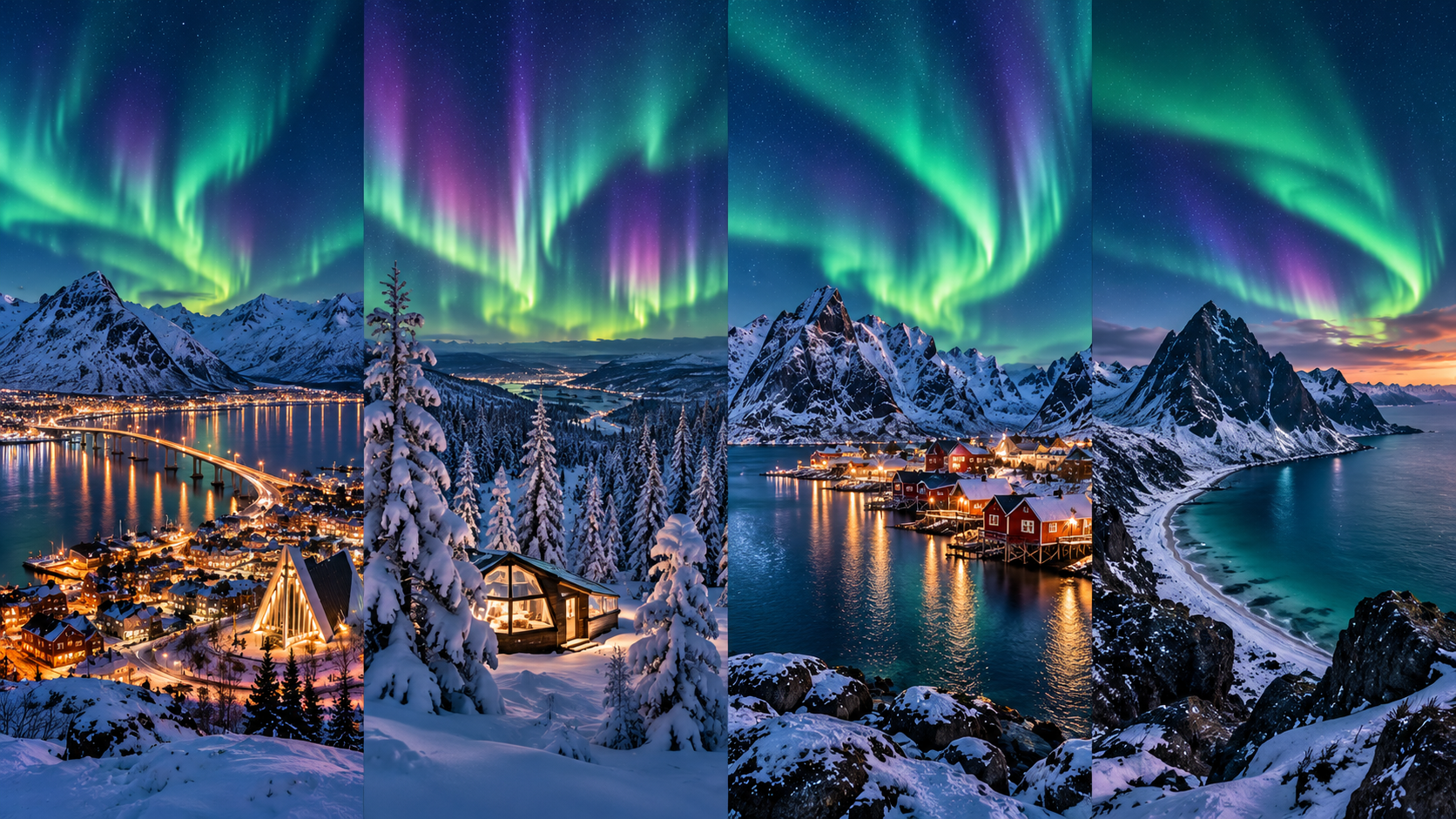
- Tromsø – Popular for Aurora tours and Arctic experiences.
- Alta – Known for clear skies and Northern Lights experiences.
- Lofoten – Stunning mountains, beaches and Aurora views.
- Senja – Peaceful landscapes with excellent dark-sky locations.
Finland
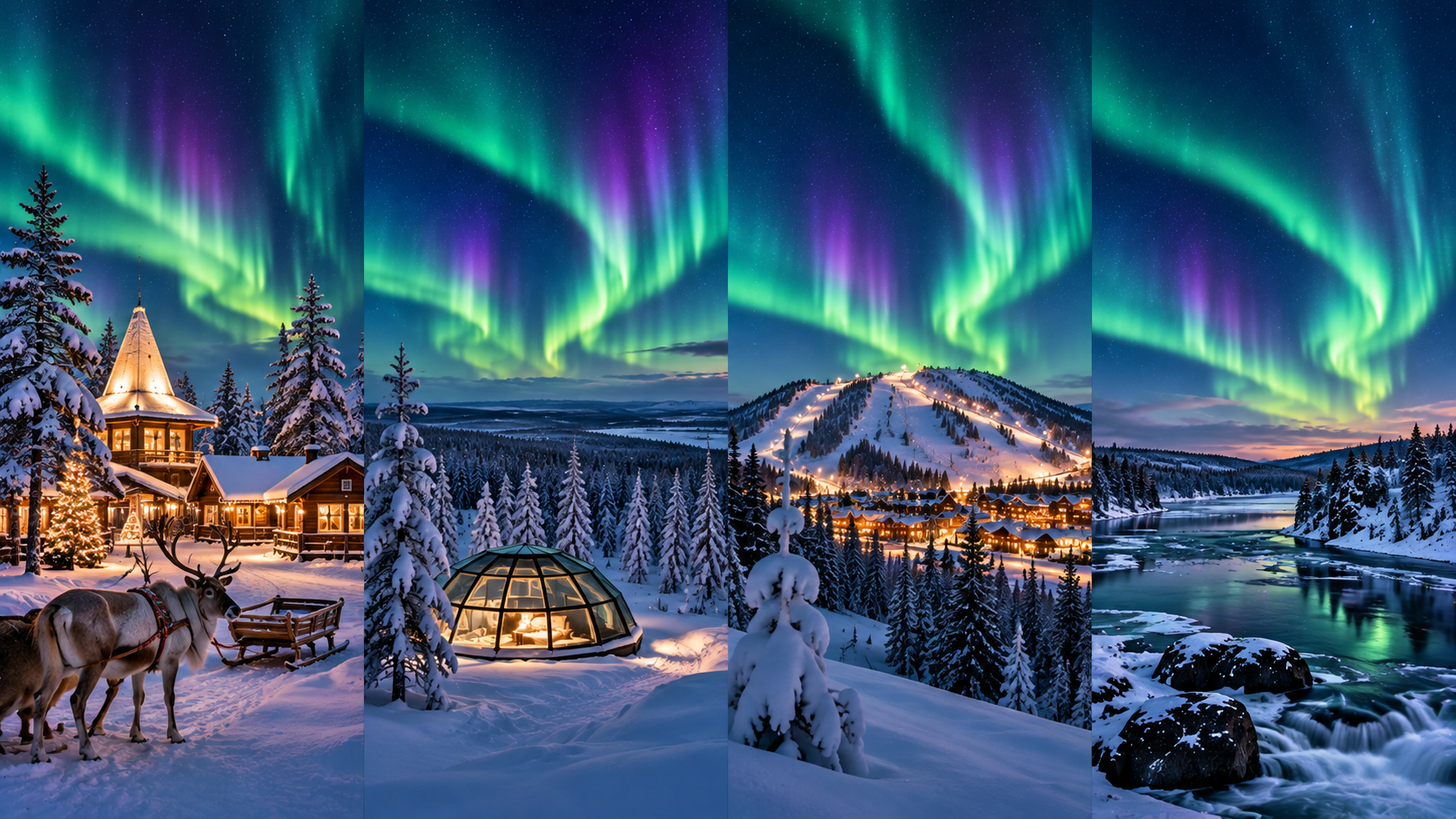
- Rovaniemi – Great for Northern Lights and Lapland activities.
- Saariselkä – Ideal for dark skies and Aurora viewing.
- Levi – Combines Northern Lights with winter adventures.
- Kuusamo – A beautiful Arctic destination with dark skies and good opportunities to experience the Northern Lights.
Iceland
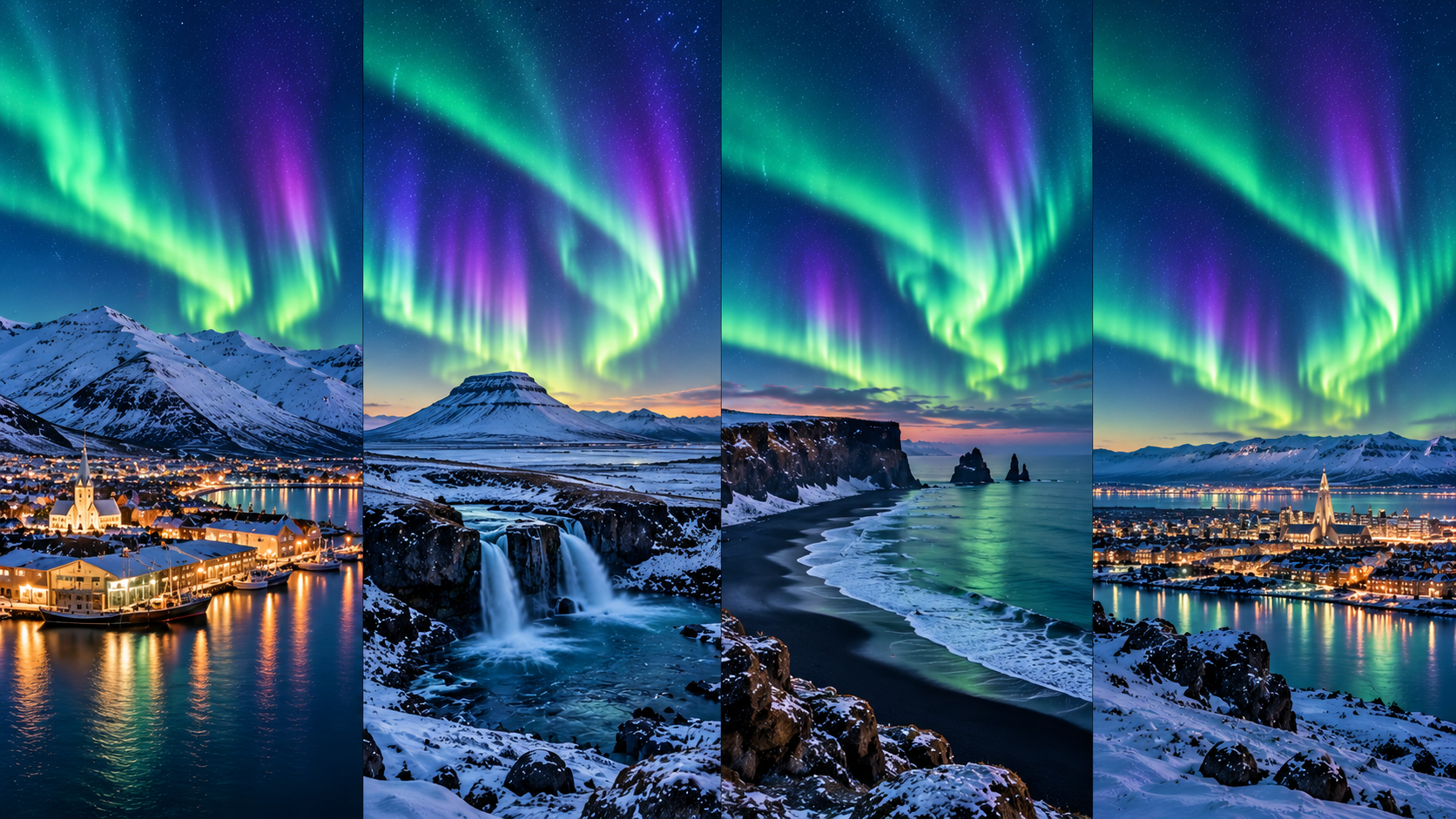
- Akureyri – A great base for exploring Northern Iceland.
- North Iceland – Remote areas offer darker skies.
- West Iceland – Beautiful landscapes away from city lights.
- Reykjavik Outskirts – Convenient option for travellers staying in the capital.
Frequently Asked Questions
What is the best time to see Northern Lights?
The Northern Lights season generally runs from late August or September to March or early April. September–October and February–March can be particularly attractive periods, but actual sightings depend on weather and Aurora activity.
What is the best month to see Northern Lights?
There is no single guaranteed best month. February and March can offer an excellent combination of long dark nights and good Aurora opportunities, while September and October are also popular.
Can I see Northern Lights in summer?
Usually not in the northernmost Arctic destinations because summer nights are too bright. You need sufficiently dark skies, which return from late August or September.
How many nights should I stay for Northern Lights?
A stay of 3–4 nights or more is a sensible choice for improving your chances because weather and Aurora conditions can change from night to night.
Are Northern Lights guaranteed?
No. The Aurora is a natural phenomenon, so sightings cannot be guaranteed. Choosing the right season, staying multiple nights, avoiding light pollution and monitoring weather and Aurora forecasts can improve your chances.
Plan Your Northern Lights Holiday
The Northern Lights are more than just a photograph. They are an experience that combines Arctic landscapes, winter adventures and the excitement of waiting for the sky to come alive.
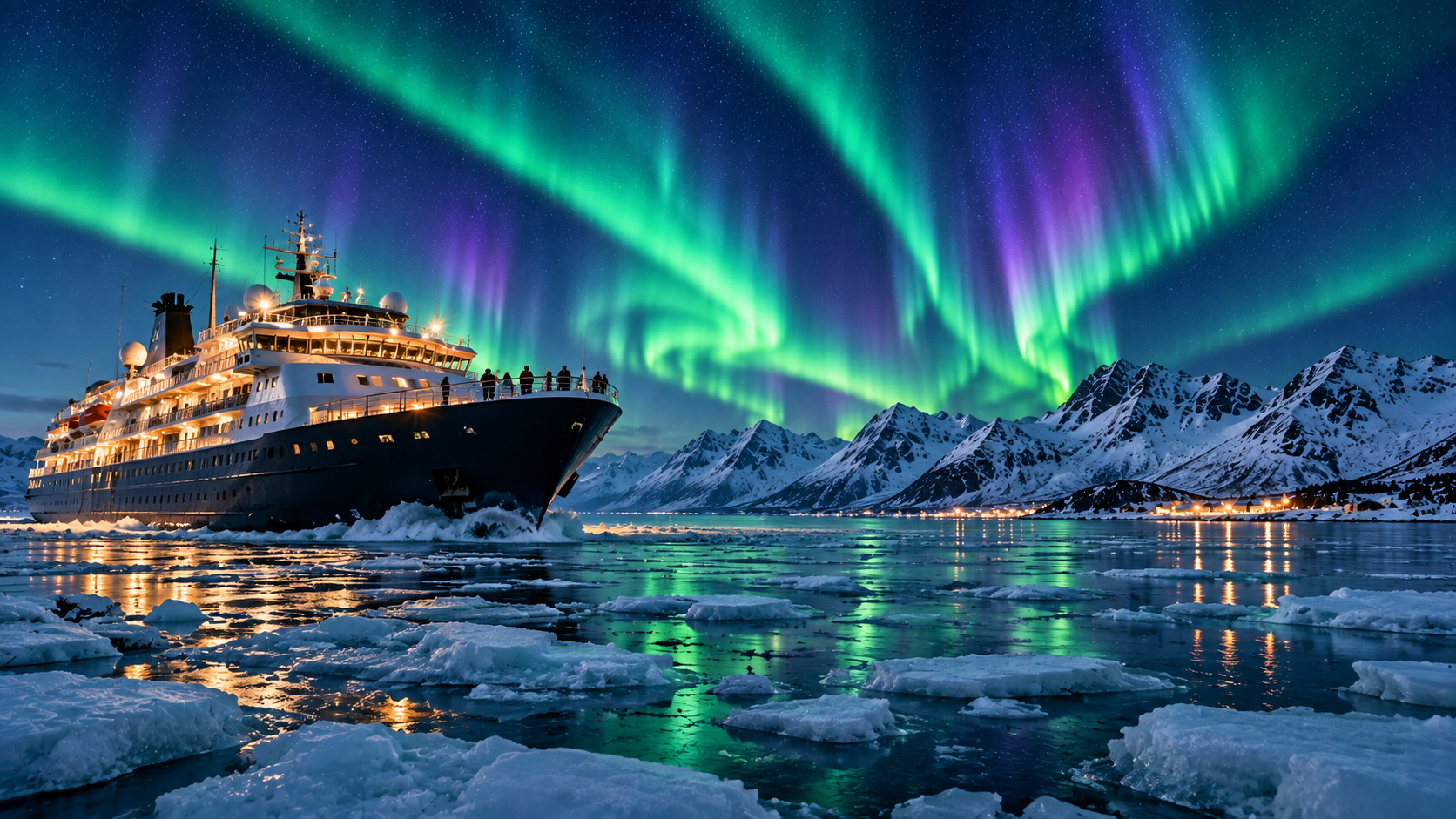
Want to experience the Northern Lights across multiple Nordic destinations? Explore our Icebreaker Cruise & Northern Lights Adventure, a 12-night journey covering Norway, Iceland, Finland, Sweden and Estonia, with an unforgettable Polar Explorer Icebreaker Cruise. The package operates from December to March.
Explore Northern Lights experiences with Make More Holidays and plan a customised Arctic holiday around your preferred destination, travel dates and experiences.