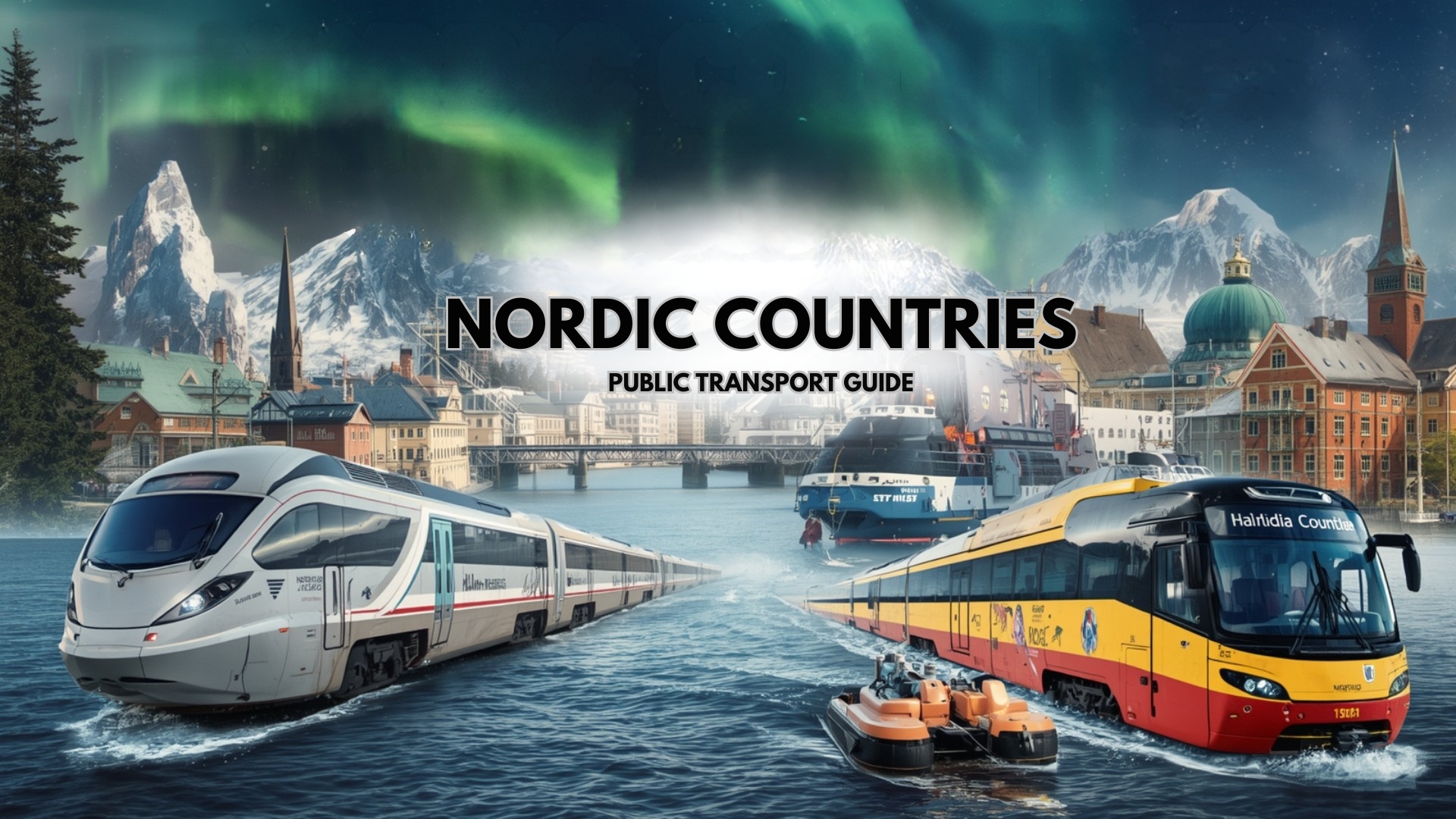
Nordic countries public transport guide information is exactly what you need before booking a trip across Norway, Sweden, Denmark, Finland, or Iceland. These nations are famous for clean, punctual, and traveler-friendly transit systems that make exploring fjords, cities, and islands remarkably easy.
Whether you’re chasing the Northern Lights or hopping between historic capitals, understanding how the trains, buses, and ferries connect will save you time, money, and stress.
Table of Contents
Why Visit the Nordic Countries
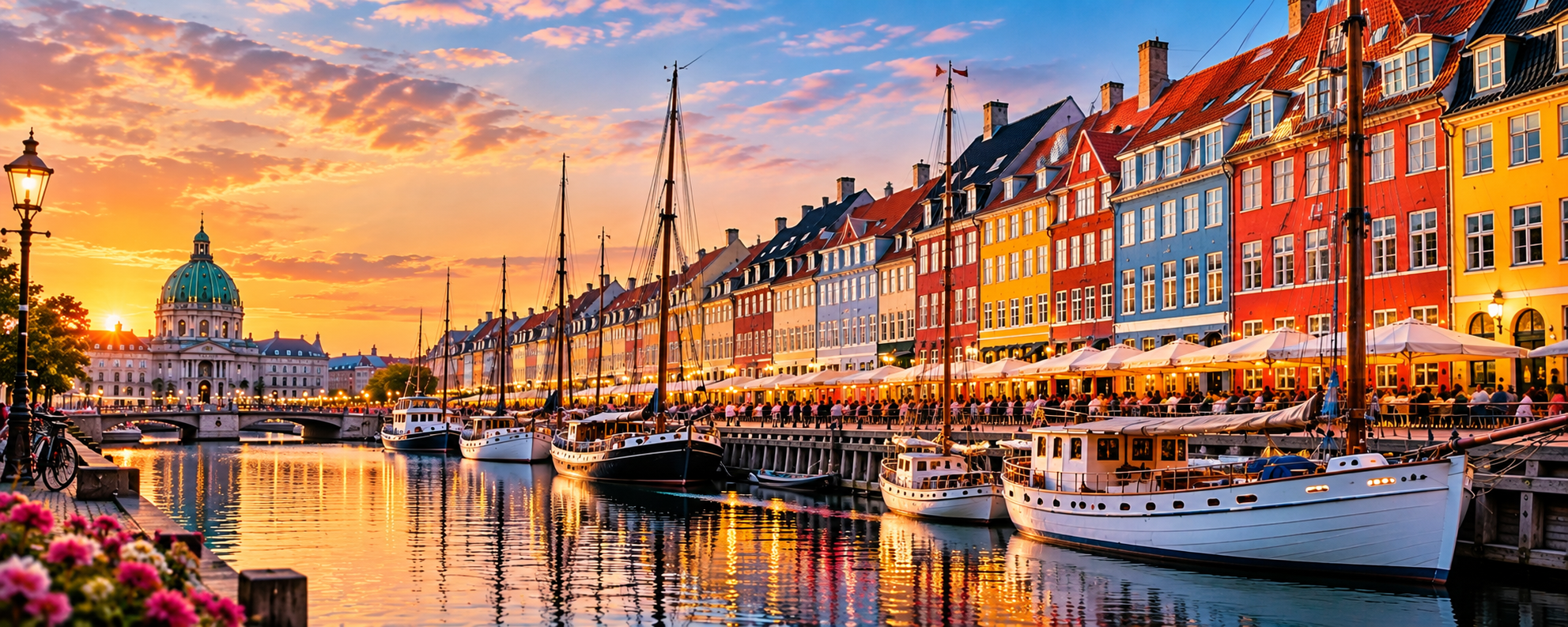
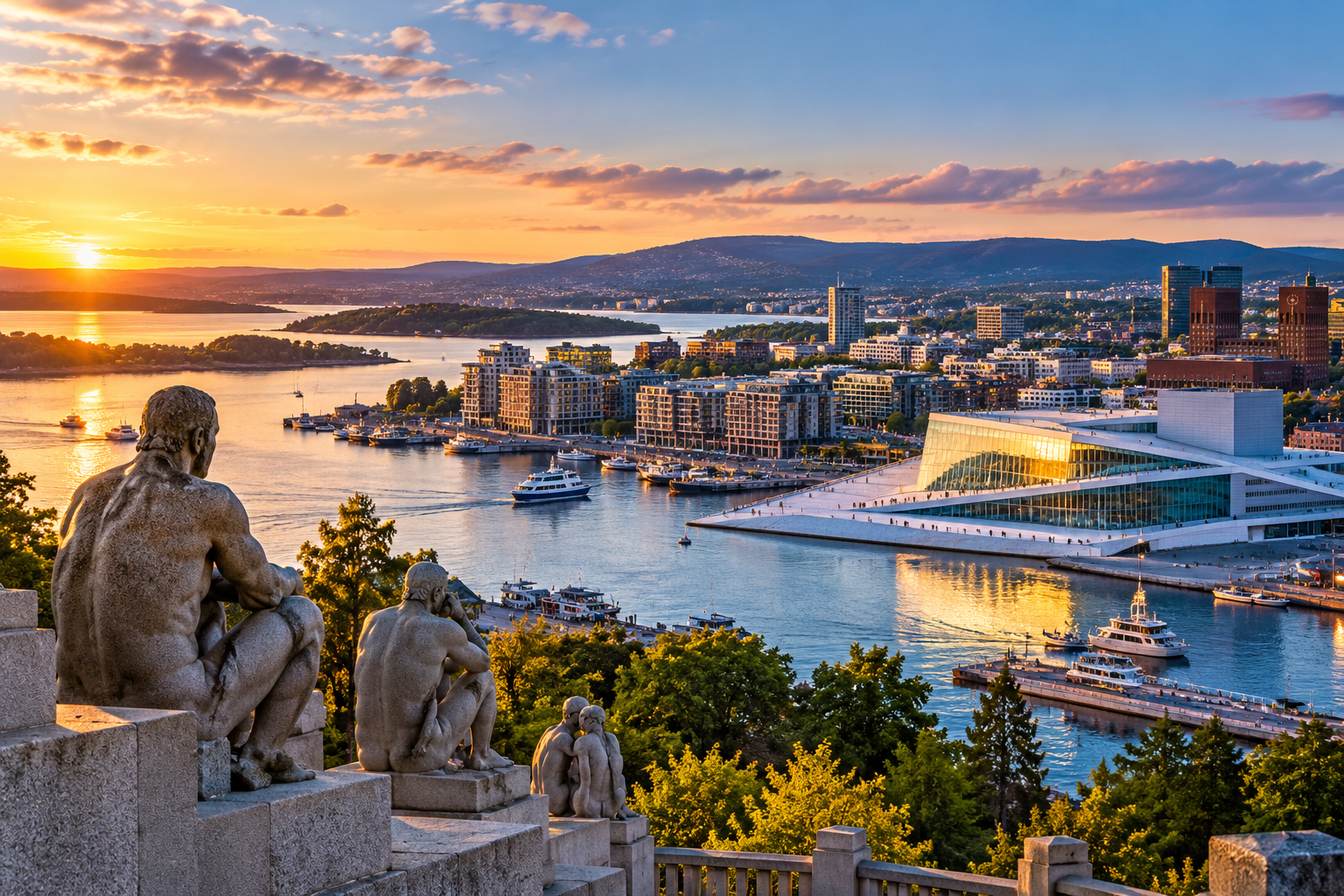
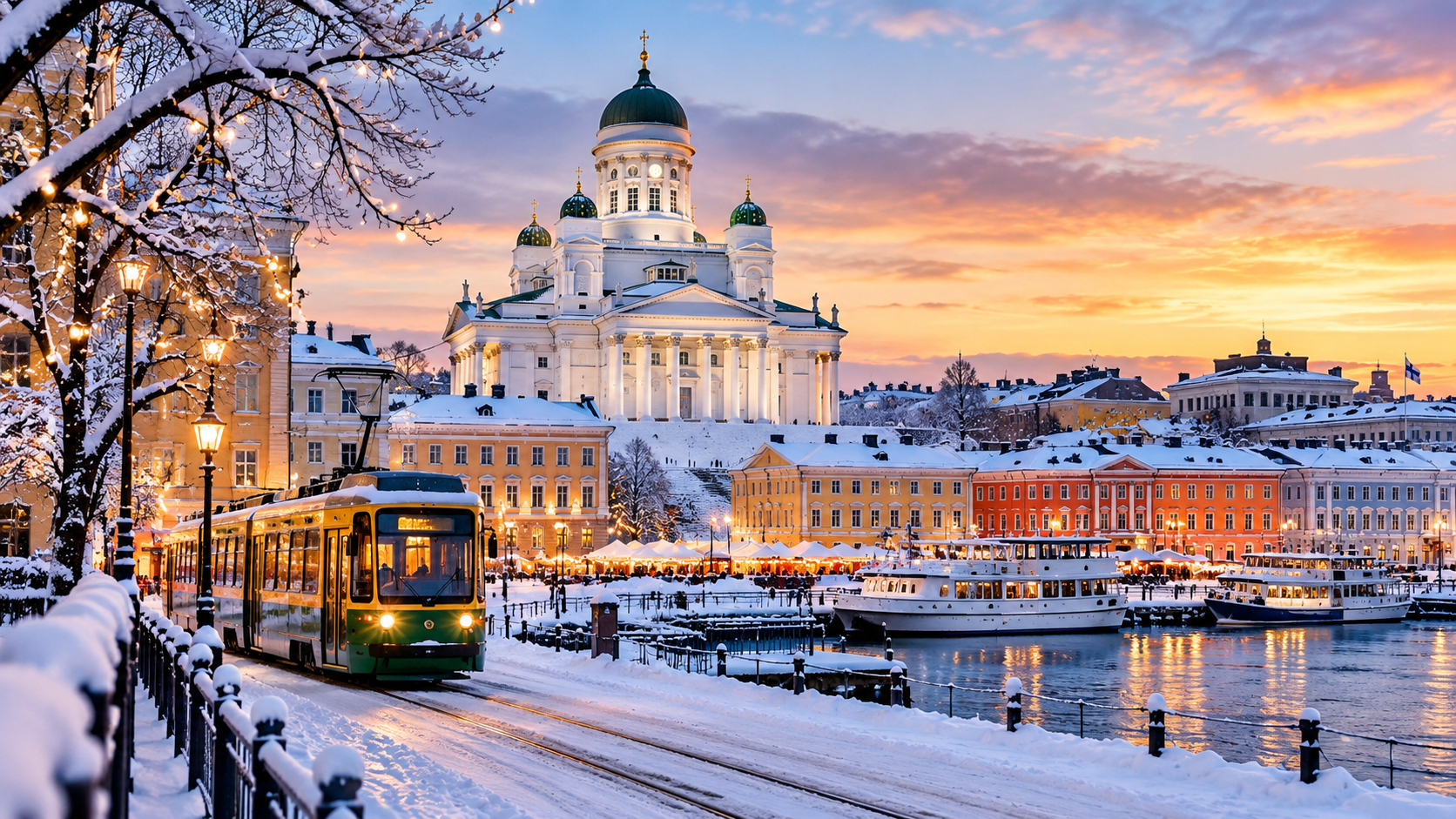
The Nordic region blends stunning nature with efficient, modern infrastructure. Cities like Oslo, Stockholm, Copenhagen, and Helsinki are compact and easy to navigate on foot or by transit.
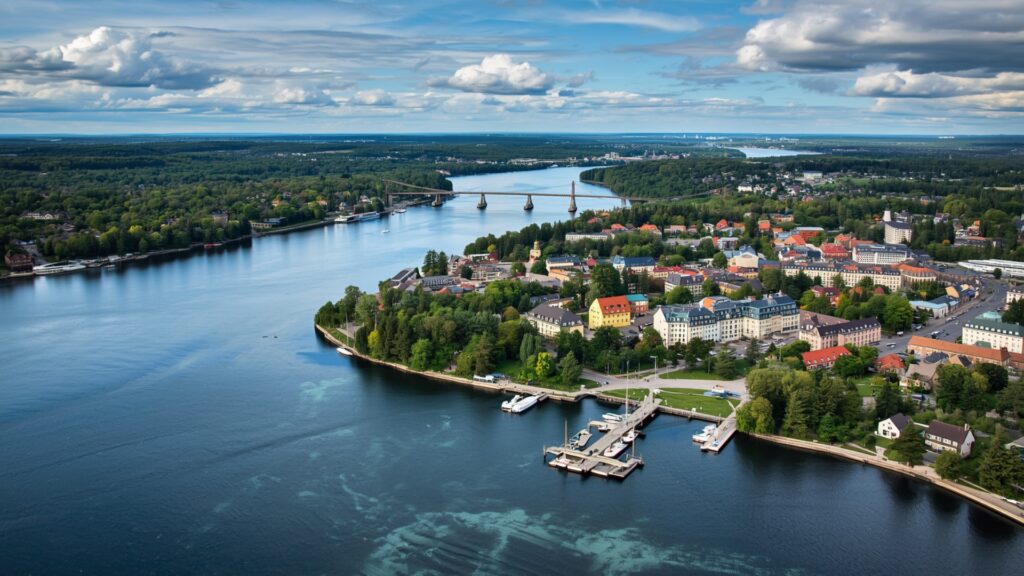
Beyond the cities, dramatic landscapes await:
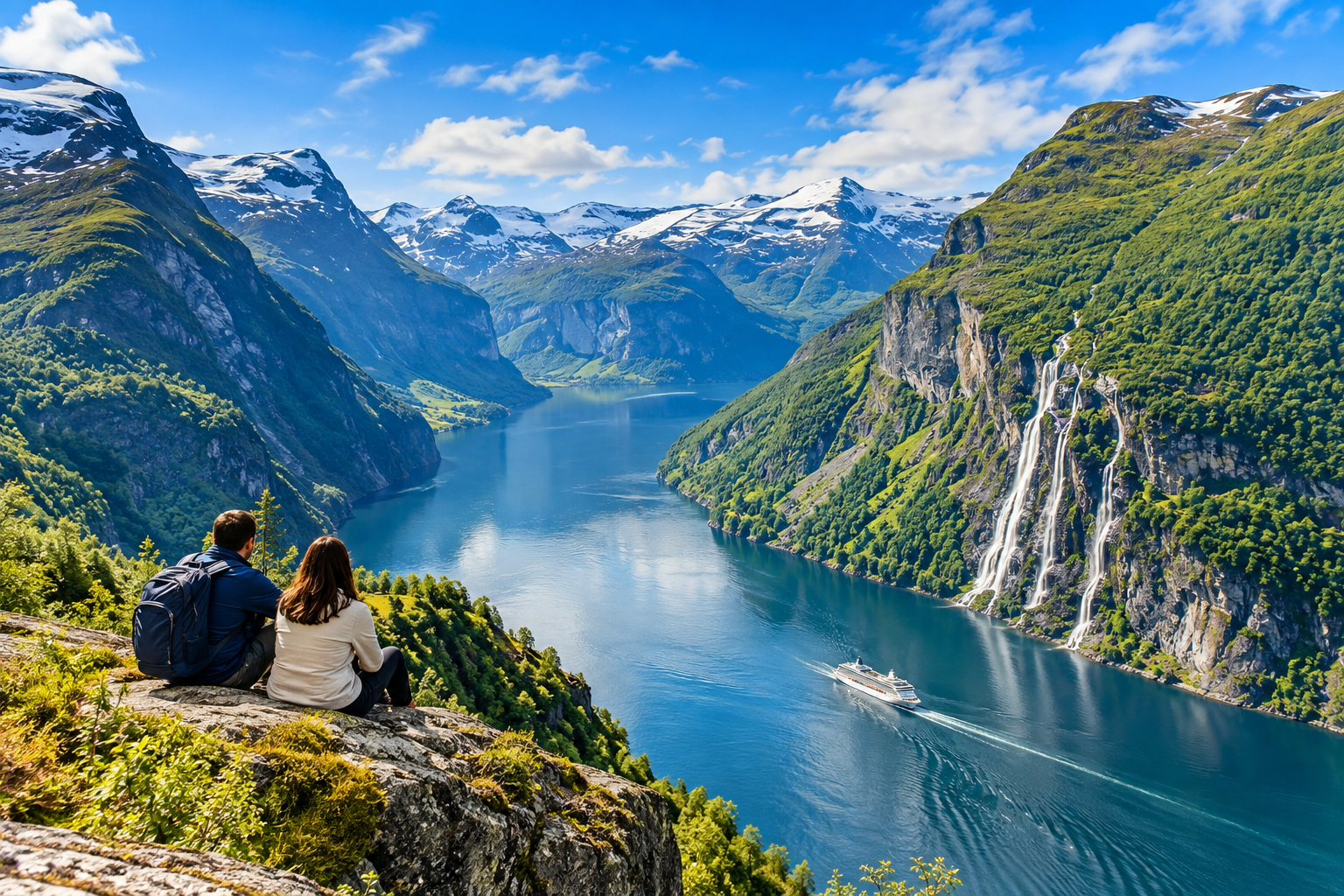
- Norway’s deep fjords and coastal villages
- Sweden’s lakes and Arctic wilderness
- Finland’s forests and Lapland
- Denmark’s charming islands
- Iceland’s volcanic terrain and hot springs
A well-planned Nordic countries public transport guide helps you access all of this without needing to rent a car.
Best Time and Season to Travel
Summer (June to August) offers long daylight hours and the smoothest transit schedules, making it the easiest season to explore using public transport.
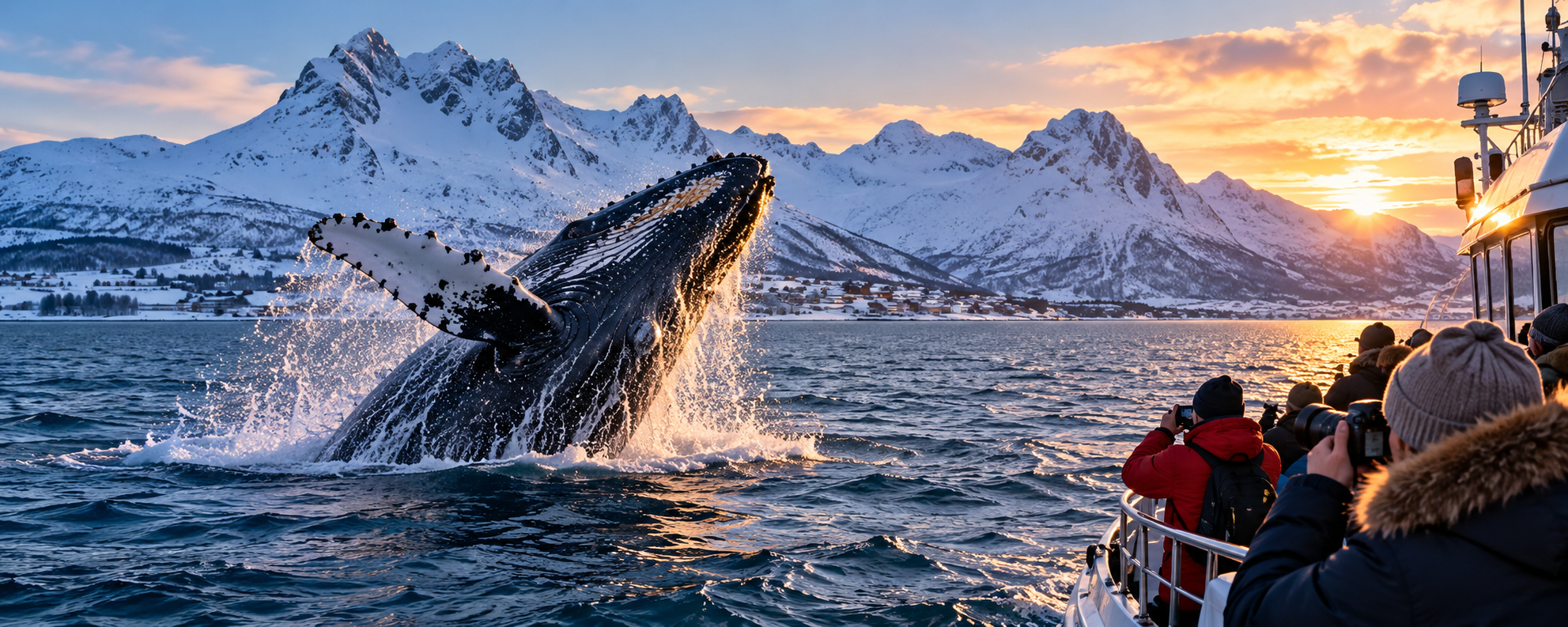
Winter (December to February) is ideal for Northern Lights hunters, though some rural bus and ferry routes run less frequently.
Spring and autumn offer fewer crowds and pleasant temperatures for city-hopping by train.
Top Attractions and Transport Spots
Trains: The Backbone of a Nordic Countries Public Transport Guide
Nordic trains are fast, comfortable, and scenic. Popular routes include:
- Oslo to Bergen – one of the world’s most scenic rail journeys
- Stockholm to Gothenburg – smooth high-speed connections
- Copenhagen to Malmö – crosses the Øresund Bridge in under 40 minutes
Rail passes like the Eurail Nordic Pass can simplify multi-country trips.
Buses: Reaching Remote Corners
Buses fill the gaps trains don’t reach, especially in northern Norway, Finnish Lapland, and rural Iceland.
Long-distance coach operators connect smaller towns affordably, often with Wi-Fi and comfortable seating.
Ferries: Island and Fjord Connections
Ferries are essential for exploring:
- Norway’s fjord villages
- Denmark’s island communities
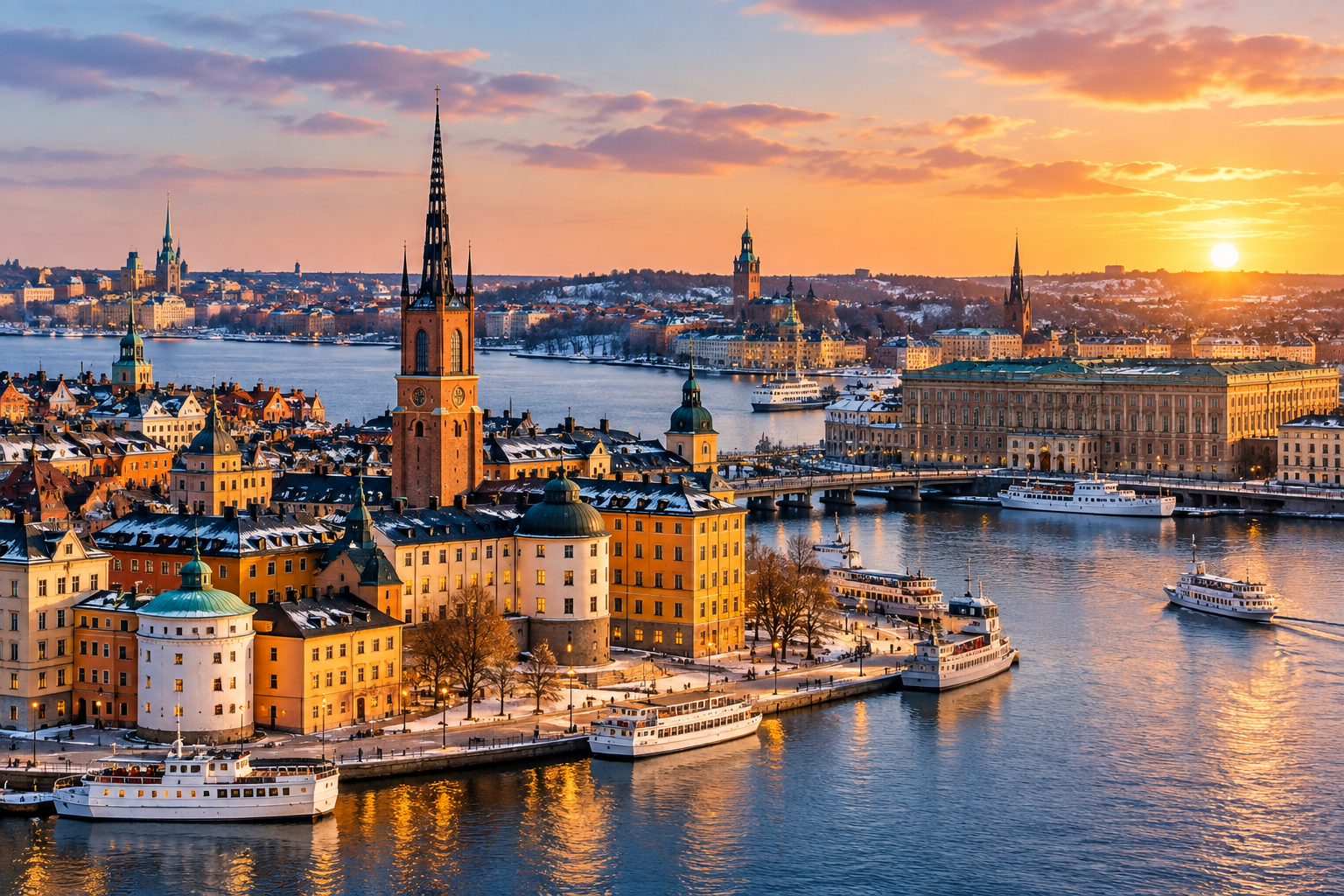
- Stockholm’s archipelago
- Helsinki–Tallinn and Helsinki–Stockholm sea routes
Many ferries allow bicycles and even cars, making them useful for flexible itineraries.
Travel Tips for Using Nordic Public Transport
Following a few practical tips makes any Nordic countries public transport guide easier to apply on the ground.
- Buy tickets in advance through official apps for discounted fares
- Validate tickets where required to avoid fines
- Download offline maps, as rural signal can be limited
- Keep buffer time between ferry and train connections
- Check seasonal timetable changes before departure
Frequently Asked Questions
1. Is public transport in Nordic countries expensive? It can be pricier than some regions, but advance booking and rail passes significantly reduce costs.
2. Can I travel between all Nordic countries by train? Most major cities are connected by rail, though ferries or short flights are needed for Iceland.
3. Are ferries reliable in winter? Yes, though schedules may be reduced due to weather conditions in remote areas.
4. Do I need a car to see the fjords? Not necessarily. Trains and ferries cover many iconic fjord routes without a rental car.
5. What’s the easiest country to navigate by public transport? Denmark and Sweden are considered the most beginner-friendly for first-time visitors.
Conclusion
A reliable Nordic countries public transport guide turns a complex multi-country trip into a smooth, scenic adventure. With efficient trains, extensive buses, and essential ferries, exploring Scandinavia and Iceland has never been more accessible.
Ready to plan your dream trip? Call us or WhatsApp us today for the best travel packages with MakeMoreHolidays.