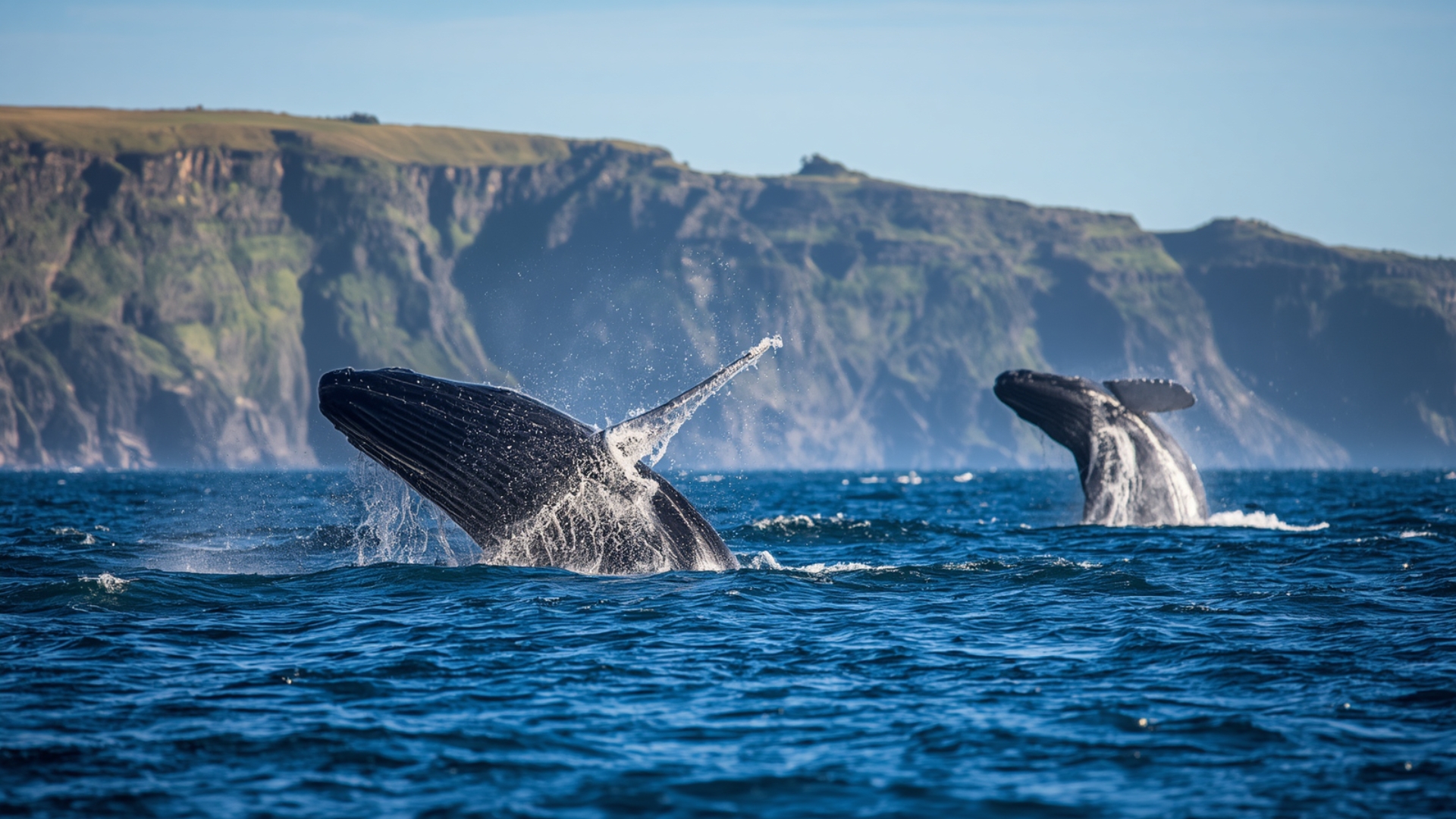
Whale Watching in Iceland & Norway is one of the most unforgettable wildlife experiences you can have in the Nordic region.
From the icy fjords of Húsavík to the deep waters of Andenes and Tromsø, these two countries offer some of the best whale watching opportunities in the world.
Whether you’re chasing humpback whales breaching in the North Atlantic or hoping to spot orcas hunting herring under the Northern Lights, Iceland and Norway offer incredible wildlife experiences throughout the year.
In this guide, you’ll discover the best season for whale watching, the top destinations, and practical travel tips to help you plan an unforgettable adventure in Iceland and Norway.
Table of Contents
Why Iceland & Norway Are Whale Watching Paradises
Both countries sit along rich migratory routes and nutrient-dense waters that attract a wide variety of marine giants. Cold currents mix with warmer Atlantic waters here, creating an abundance of plankton and fish — the perfect feeding ground for whales. Best Season for Whale Watching in Iceland and Norway This is why species like humpback whales, minke whales, orcas, blue whales, and even sperm whales are regularly spotted in these regions.
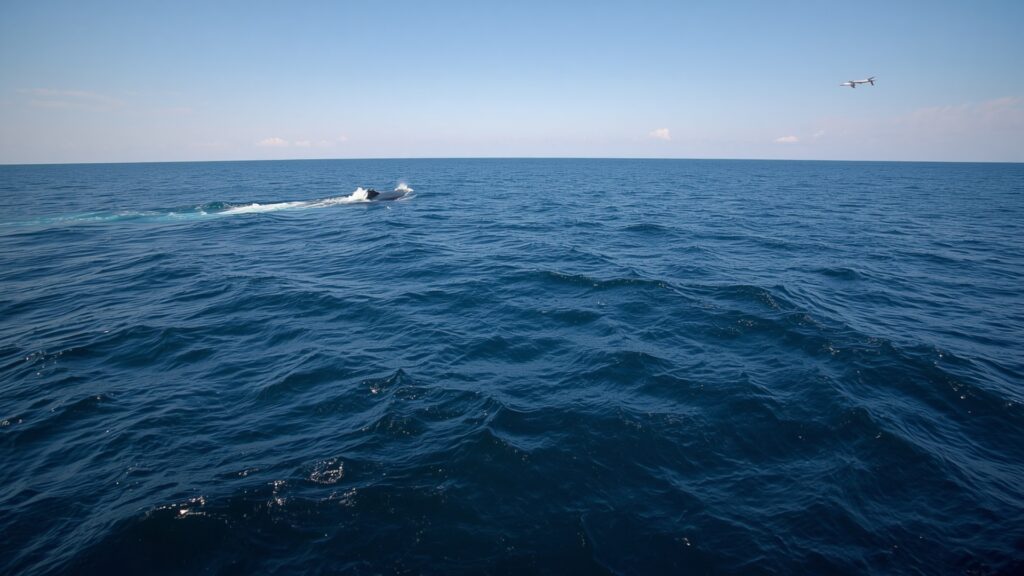
Whale Watching in Iceland & Norway attracts thousands of travelers every year because of the rich marine life and incredible whale sightings. Unlike many destinations where whale sightings are rare and seasonal, Iceland and Norway offer near year-round opportunities, making them a dream destination for wildlife lovers and photographers alike. Whale Watching in Iceland & Norway – Best Season & Spots
Best Season for Whale Watching in Iceland
Iceland’s whale watching season is long, but timing matters depending on what you want to see. Whale Watching in Iceland and Norway attracts thousands of travelers every year who want to experience humpback whales, orcas, minke whales, and sperm whales in their natural habitat.
- April to September (Peak Season): This is the best time for humpback whales, minke whales, and dolphins. Húsavík, known as the “Whale Watching Capital of Europe,” sees the highest number of sightings during these months.
- June to August (Midnight Sun): Longer daylight hours mean more time on the water and better chances of spotting whales in calm conditions.If you are planning Whale Watching in Iceland & Norway, summer is the best time to enjoy humpback and minke whale sightings in Iceland.
- October to February (Orca Season): Iceland’s Snæfellsnes Peninsula and the fjords near Grundarfjörður become prime spots for orca sightings as they follow herring migrations.
Best Whale Watching Spots in Iceland
- Húsavík: Often called the whale watching capital of Iceland, offering some of the highest sighting rates in Europe.
- Reykjavík (Faxaflói Bay): Convenient for travelers based in the capital, with frequent minke whale and dolphin sightings.
- Akureyri (Eyjafjörður): A quieter fjord with excellent humpback whale activity.
- Snæfellsnes Peninsula: The go-to destination for orca watching in winter months.
Best Season for Whale Watching in Norway
Norway’s whale watching season is centered around the Arctic winter months, offering a completely different but equally spectacular experience. Whale Watching in Iceland & Norway is one of the most unforgettable wildlife experiences you can have in the Nordic region. From the icy fjords of Húsavík to the deep waters of Andenes and Tromsø…
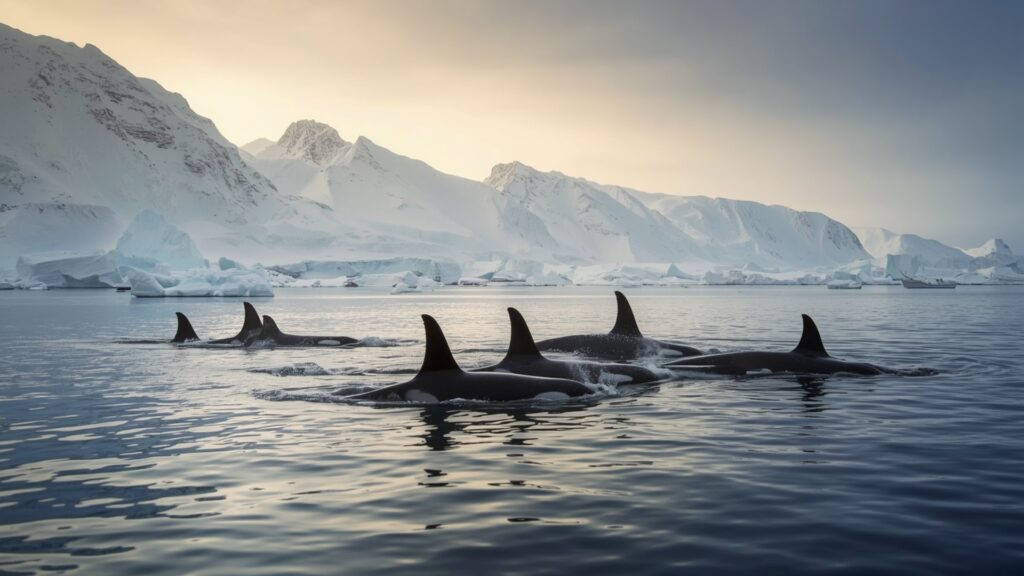
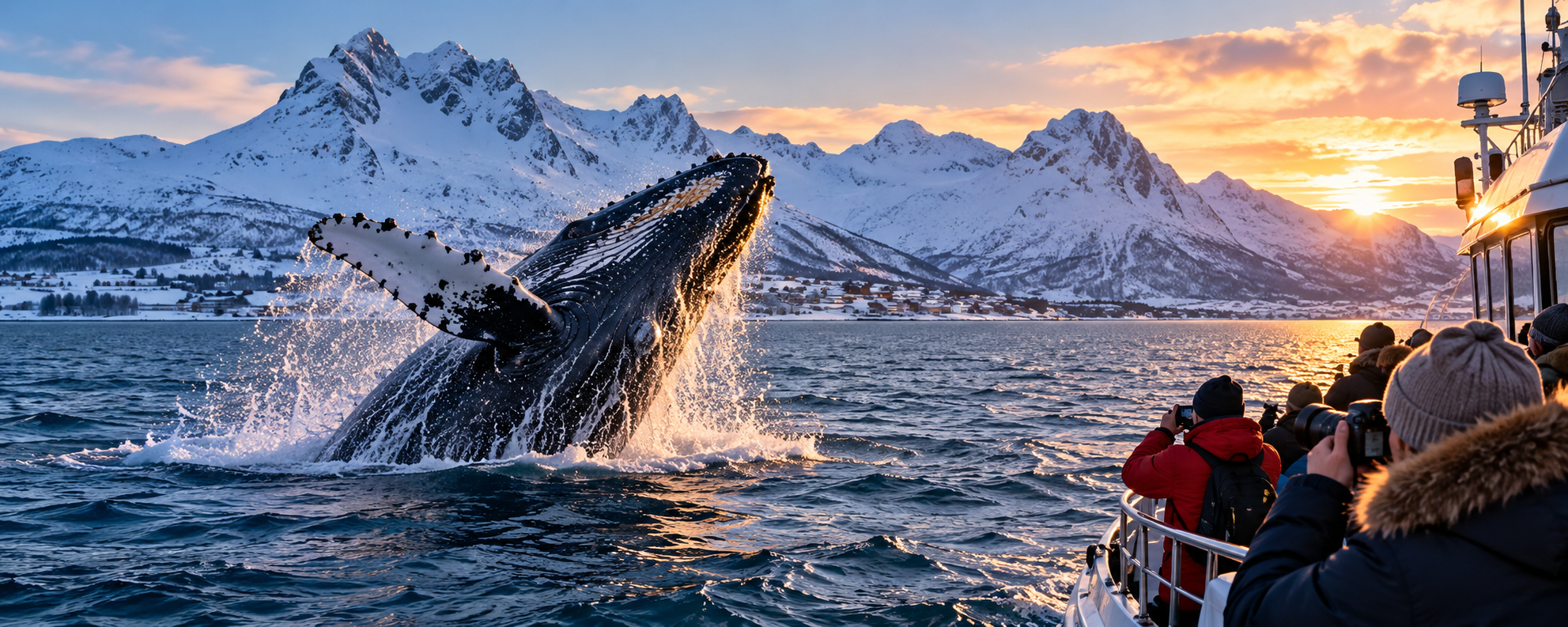
- October to January (Orca & Humpback Season): Millions of herring migrate into Norwegian fjords, drawing large pods of orcas and humpback whales close to shore, especially around Tromsø and Skjervøy.
- May to September (Sperm Whale Season): Andenes and the Vesterålen Islands are famous for sperm whale sightings during the summer months, thanks to deep underwater canyons close to the coast.
Best Whale Watching Spots in Norway
- Andenes & Vesterålen Islands: World-renowned for sperm whale sightings due to deep-sea trenches nearby.
- Tromsø: One of the most popular spots for winter orca and humpback whale safaris, often combined with Northern Lights tours.
- Skjervøy: A remote fjord location offering incredible close-up encounters with orcas and humpbacks.
- Kvænangen Fjord: Known for its calm waters and high concentration of feeding whales in winter.
Tips for the Best Whale Watching Experience
- Dress in warm, layered clothing — Nordic waters can be freezing even in summer.
- Book morning tours when sea conditions are usually calmer.
- Choose smaller boats for closer encounters, or larger boats for stability in rough seas.
- Bring binoculars and a zoom lens camera to capture distant sightings.
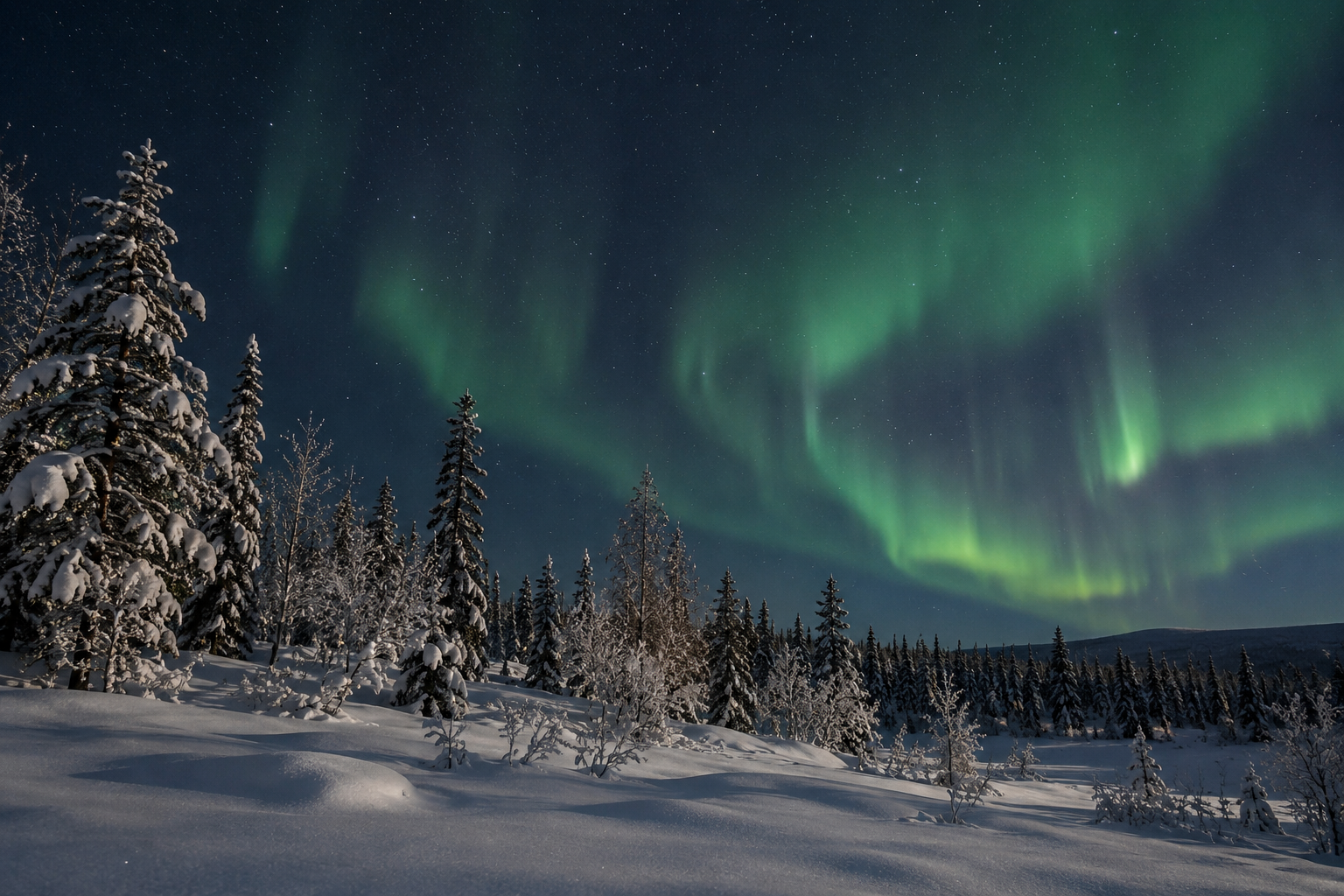
- Combine whale watching with Northern Lights tours in Norway for a truly magical Arctic experience.
Iceland vs Norway: Which Should You Choose?
If you’re visiting in summer, Iceland offers excellent humpback and minke whale sightings with long daylight hours. If you’re traveling in winter, Norway’s fjords near Tromsø and Skjervøy are unbeatable for orca and humpback encounters, often paired with the Northern Lights. Many travelers choose to combine both destinations for a complete Nordic whale watching adventure.
Final Thoughts
Whale watching in Iceland and Norway offers something truly special for every traveler — from summer humpback breaches under the midnight sun to winter orca pods hunting beneath the Northern Lights. Whale Watching in Iceland and Norway is a once-in-a-lifetime adventure, offering unforgettable encounters with majestic whales in some of the world’s most beautiful Arctic destinations. With the right timing and the right spots, you’re almost guaranteed an experience you’ll remember for a lifetime.
At Make More Holidays, we craft unforgettable Arctic adventures just for you. Ready to witness whales in the wild? Call us or WhatsApp us now to book your perfect Iceland & Norway package!